Overview
Which industries use dry ice blasting?
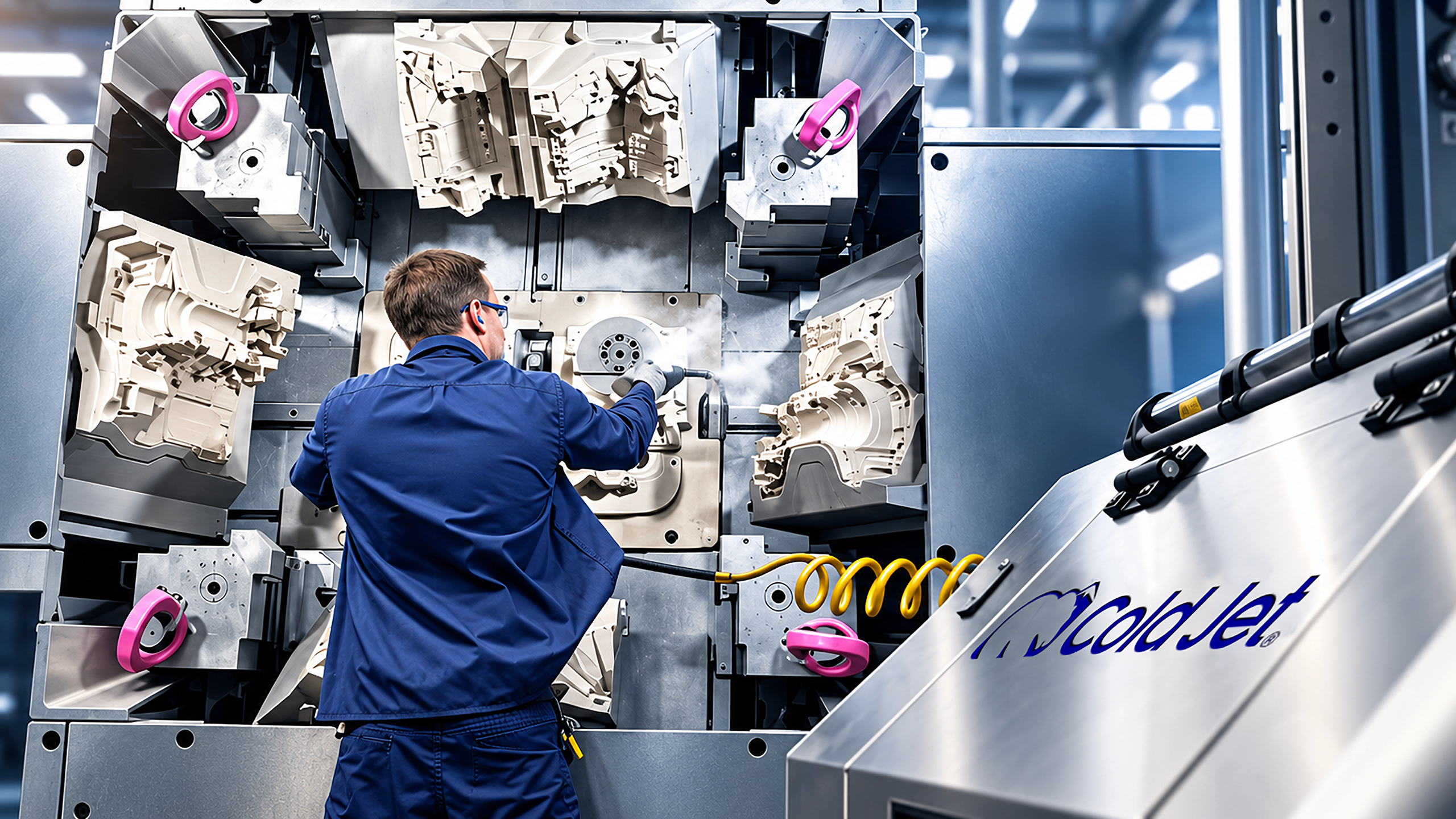
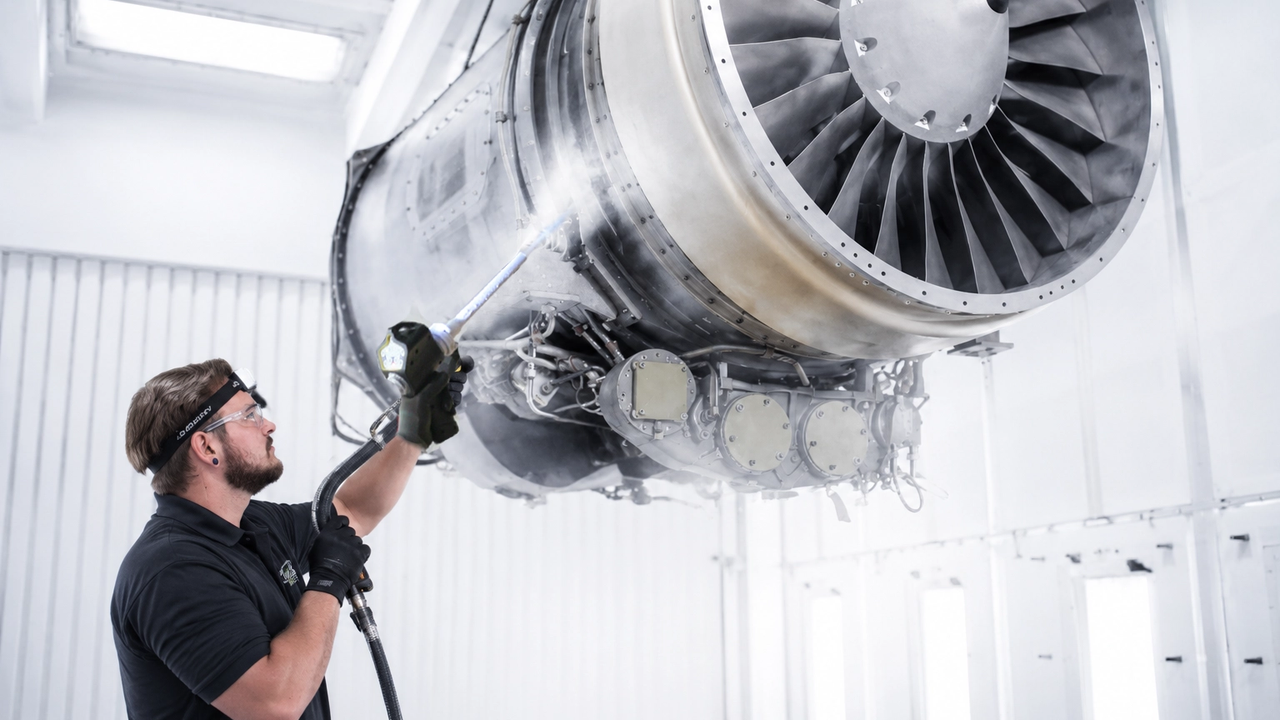
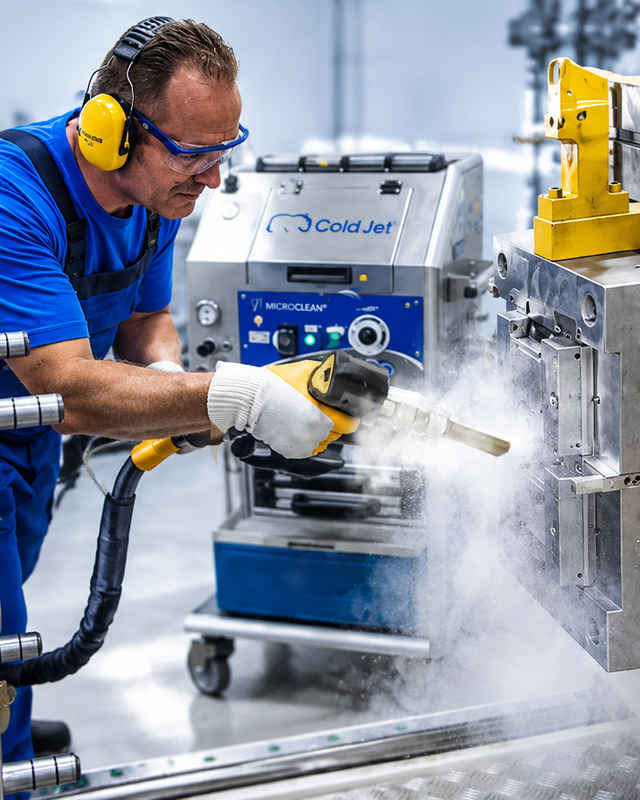
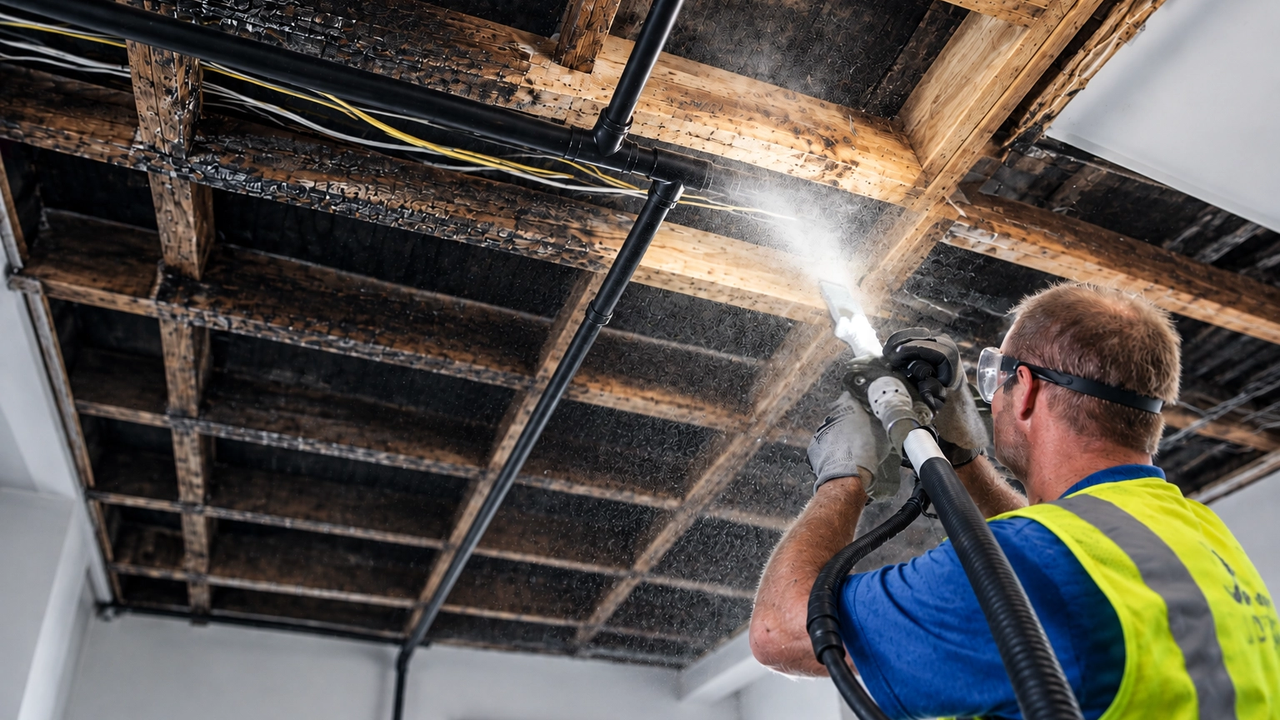
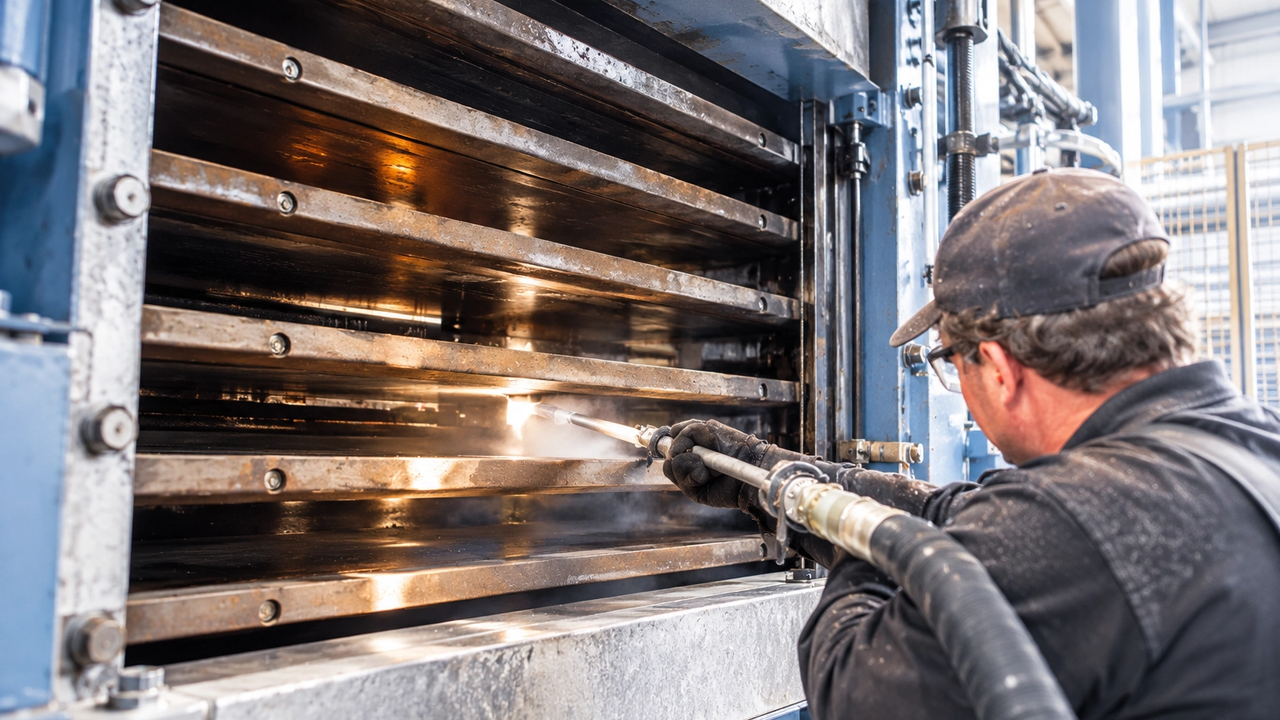
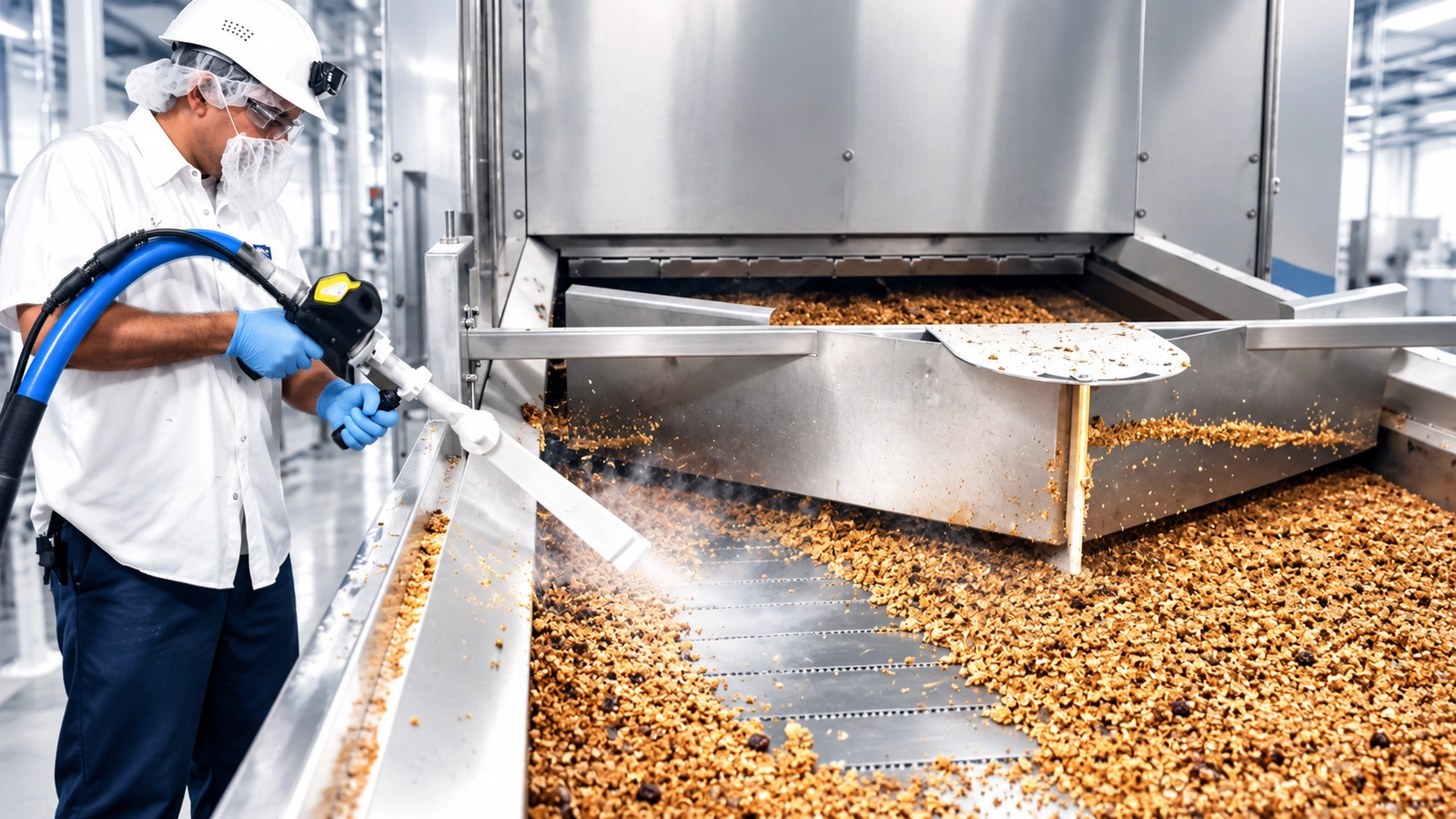
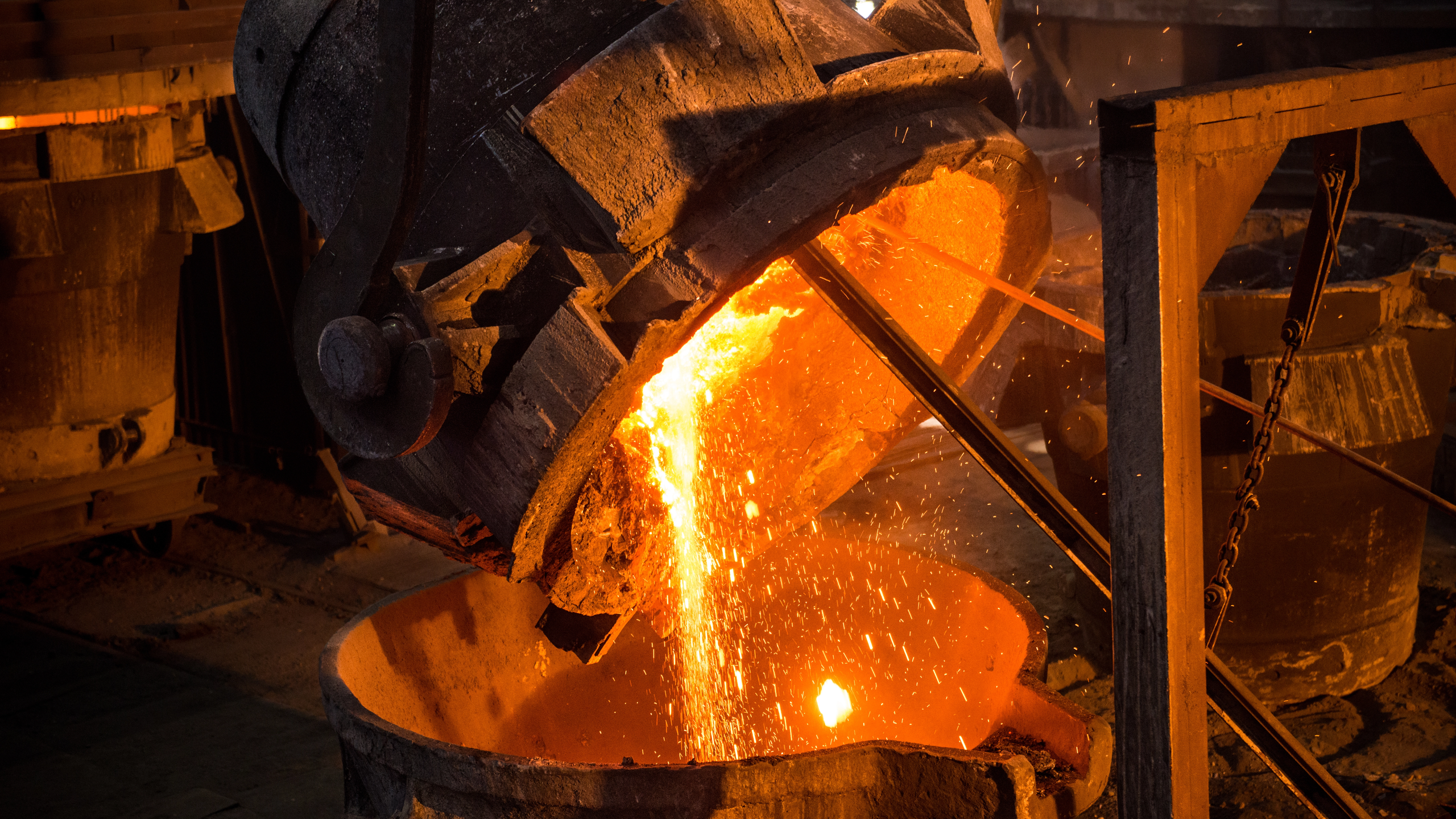
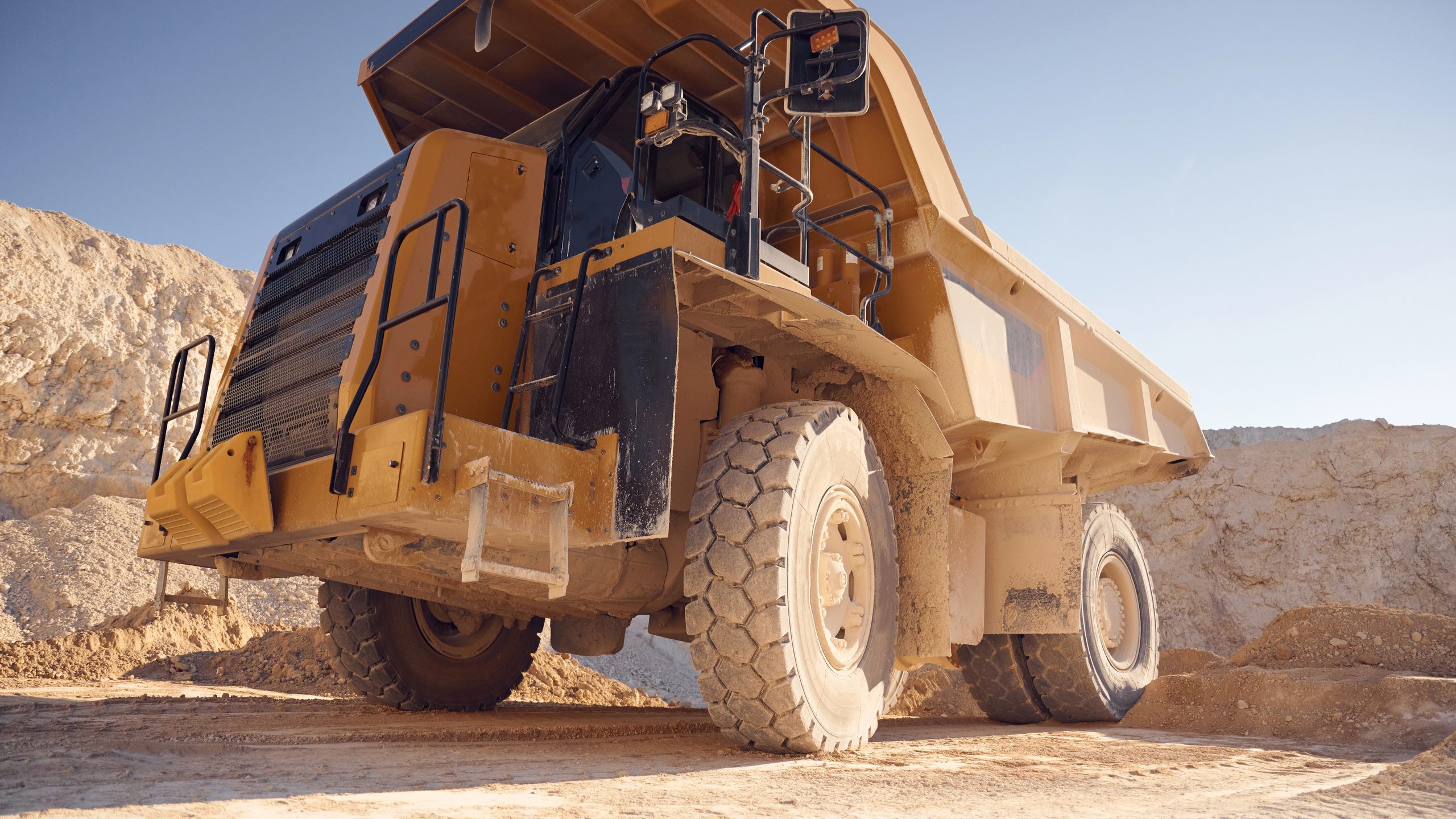
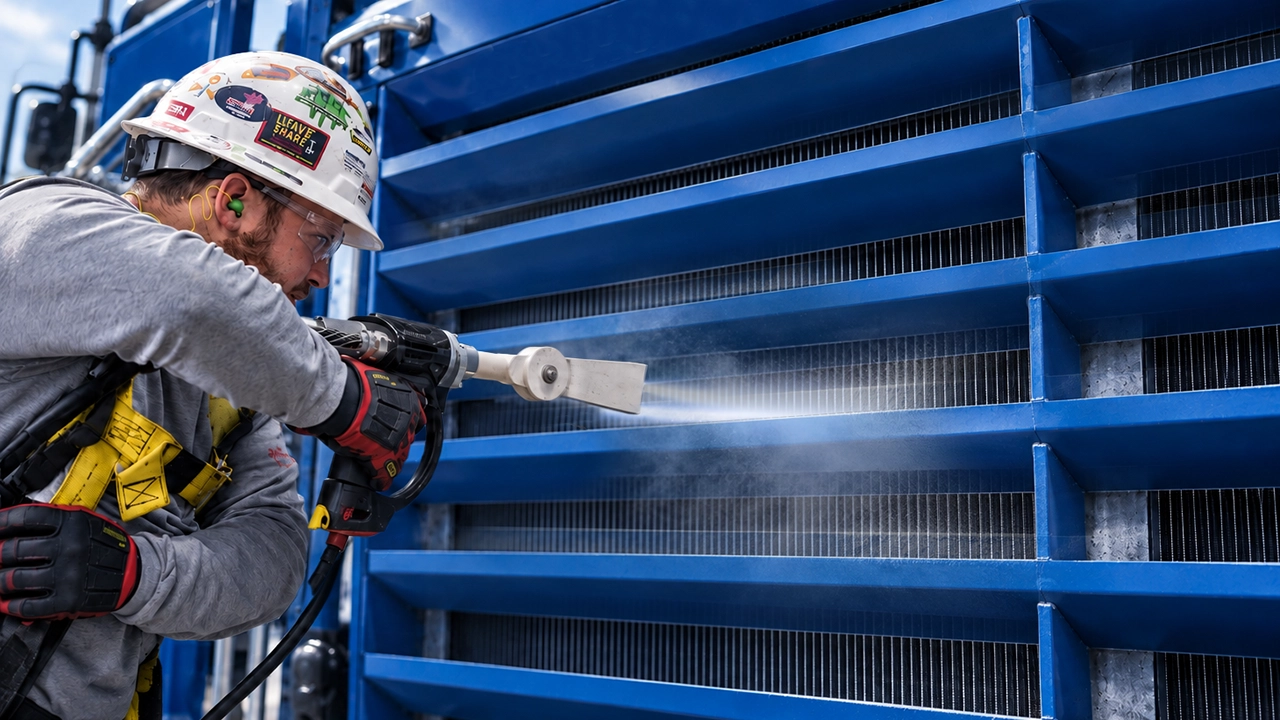
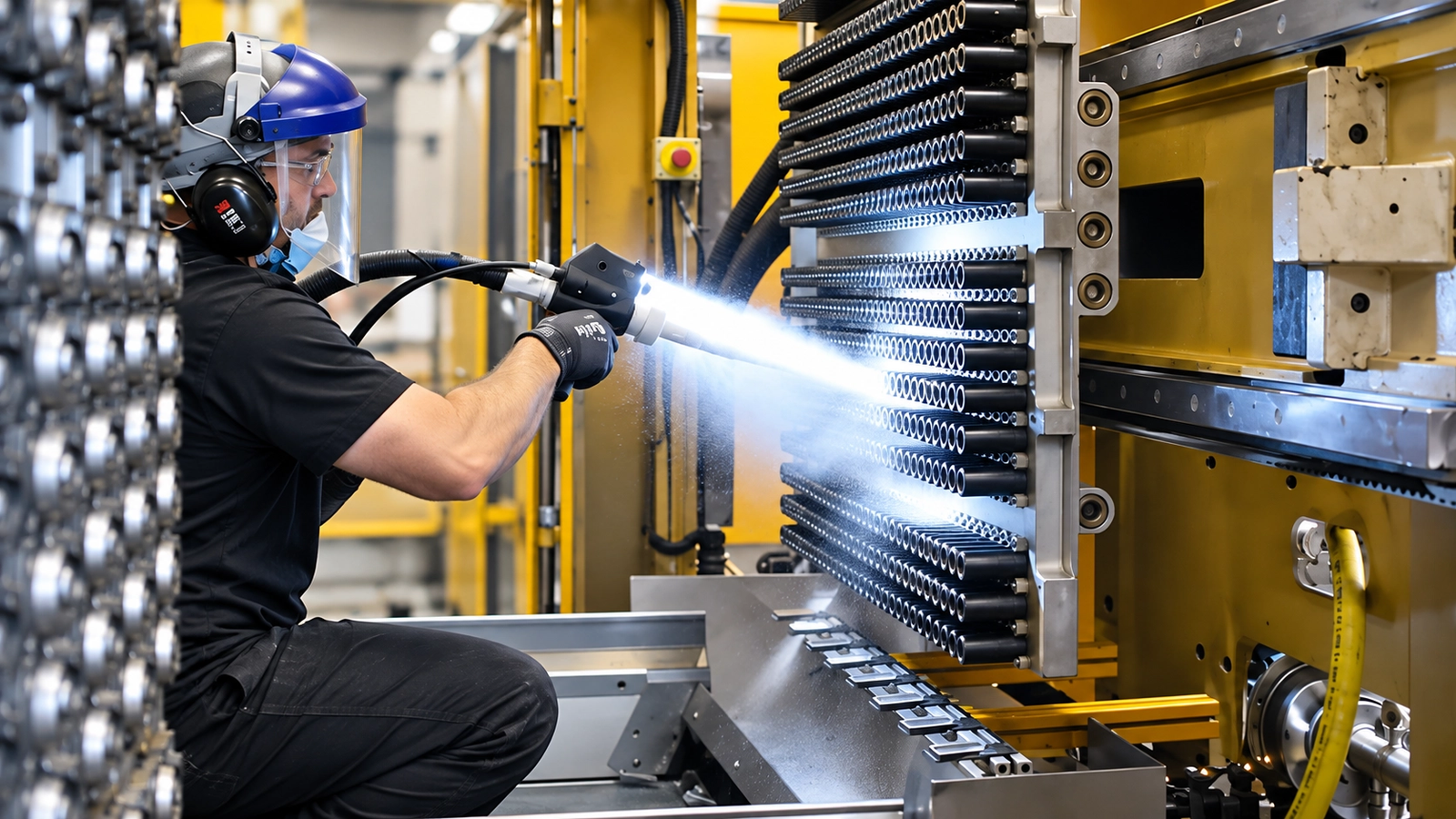
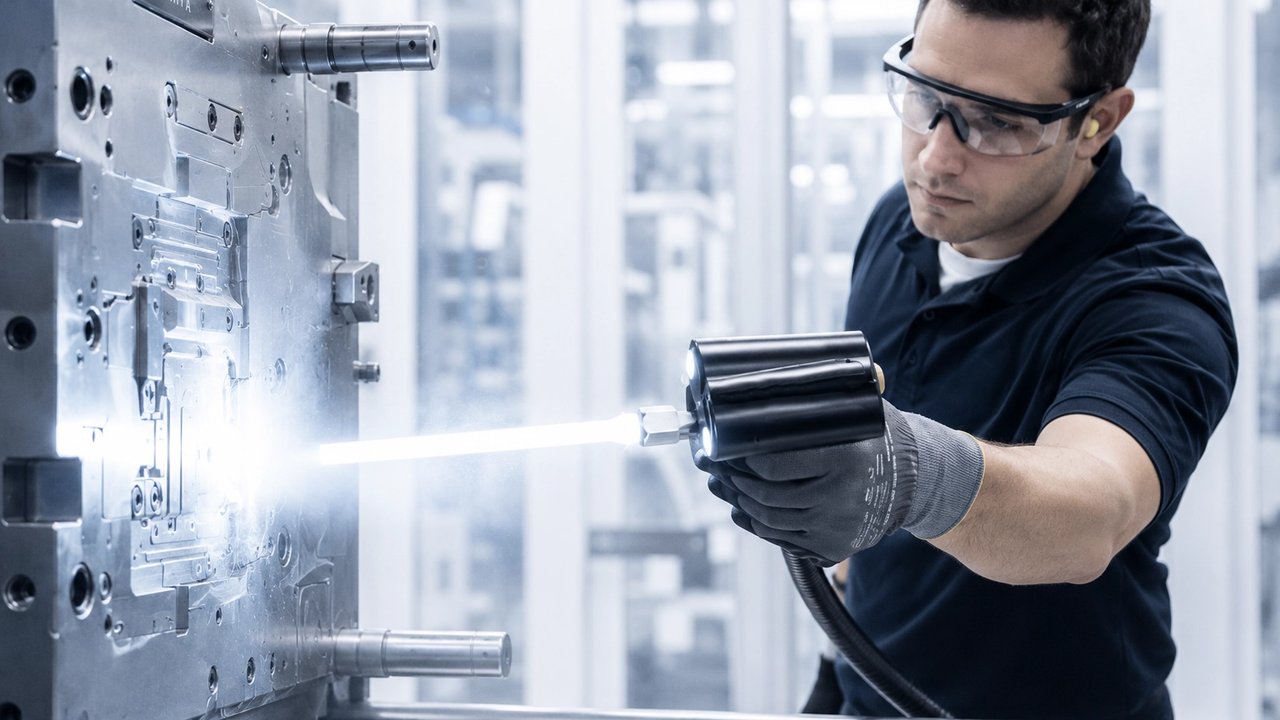
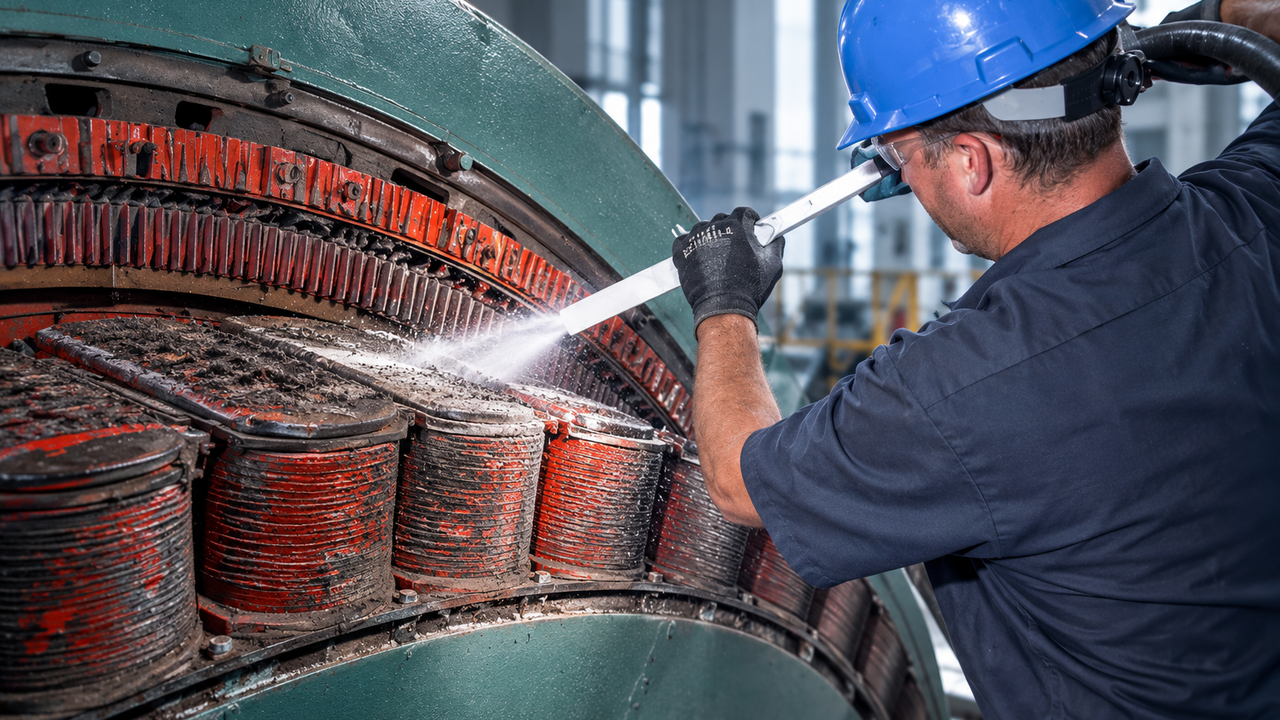
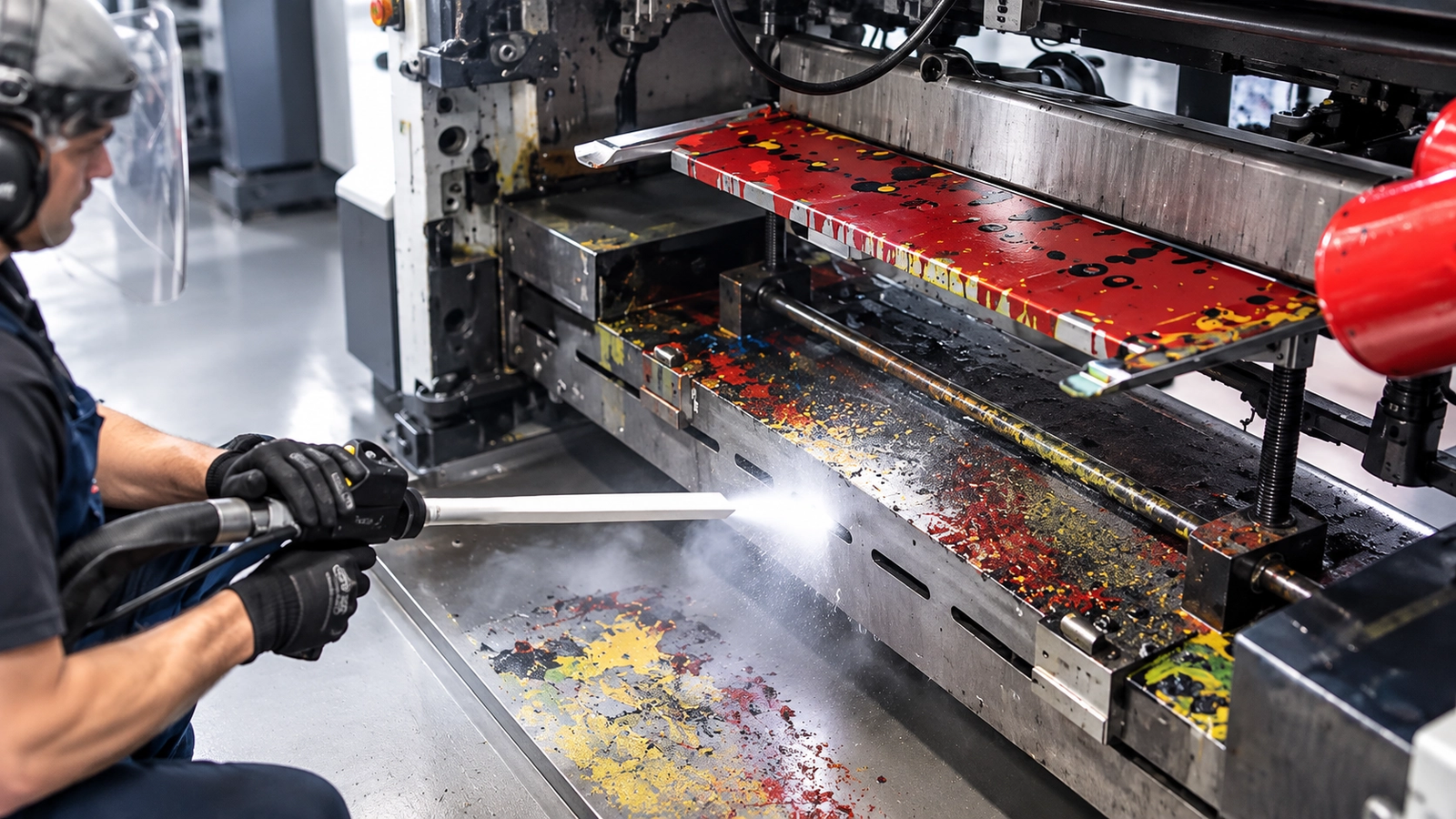
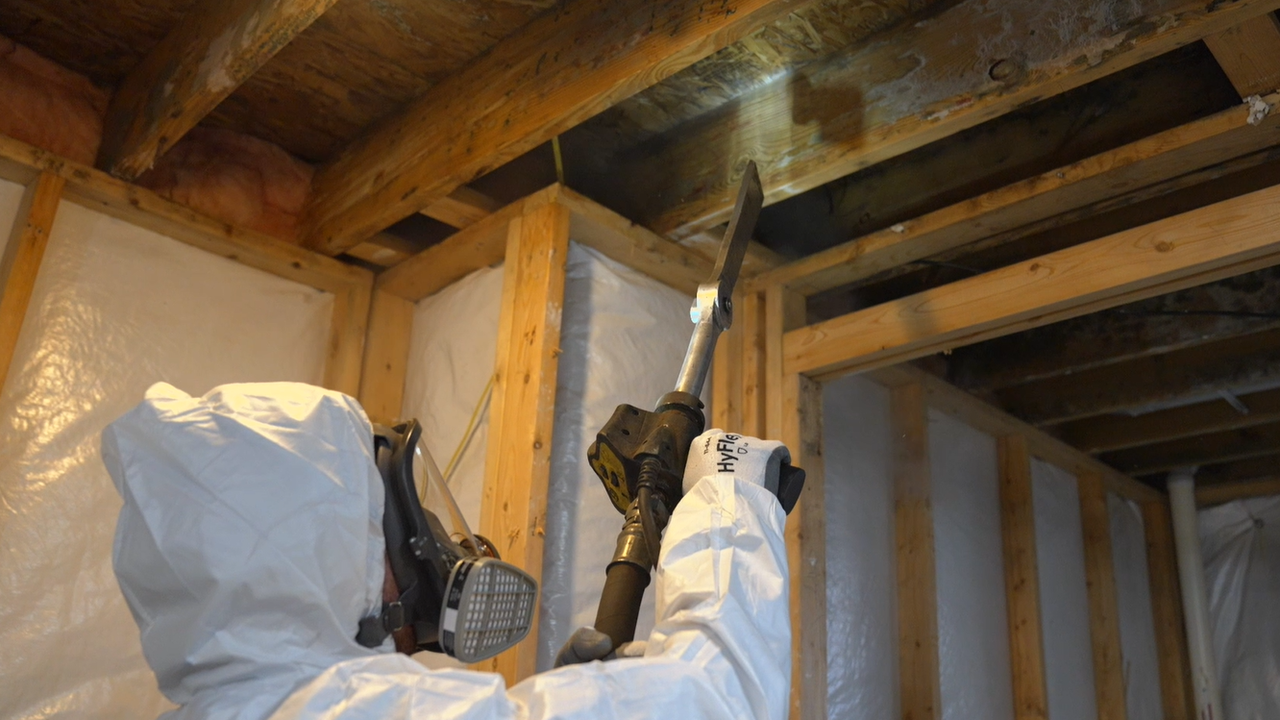
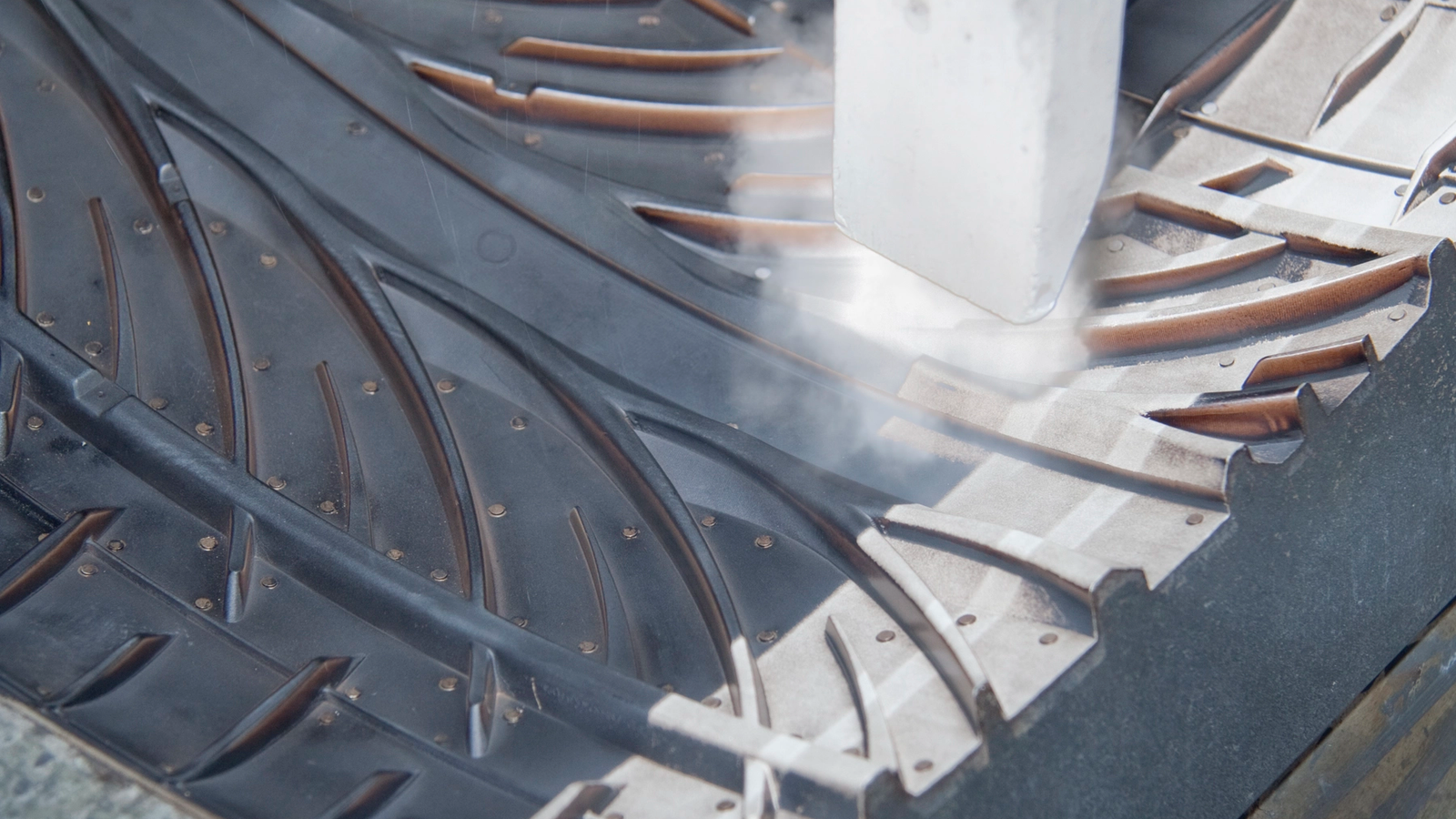
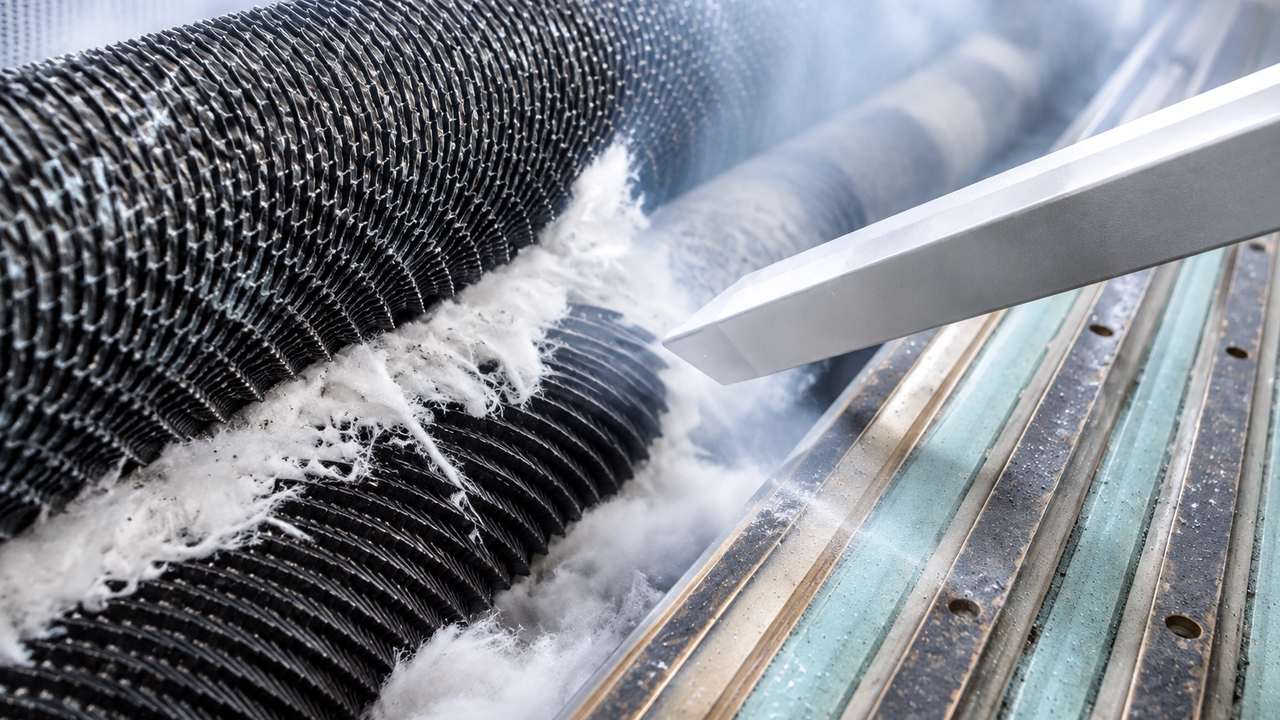
Dry ice blasting is a non-abrasive cleaning process that accelerates solid CO₂ pellets at a surface, where they sublimate on impact and lift contaminants away. Because it adds no water, no solvent and no secondary waste, it suits industries where one of those three is the binding constraint. The 18 sectors below fall into three groups. Heavy manufacturing — automotive, foundry, rubber and tires, engineered wood — cleans hot tooling in place between runs, without cooling the line down. Precision and regulated manufacturing — medical equipment, semiconductor, plastics and composites, printing — needs a media softer than the substrate it strikes, and dry ice measures 1.5 to 2 on the Mohs scale. Facility and infrastructure work — power generation, oil and gas, rail, restoration, contract cleaning — needs a moisture-free, non-conductive method that can run on live equipment without a shutdown.
Comparison
Which constraint puts you in this directory?
Three buying contexts, and what each one rules out. Every sector below sits in one of them.
| Sector group | What rules other methods out | Where it is applied | Why dry ice fits |
|---|---|---|---|
| Heavy manufacturing | Tooling would have to cool down and come apart before anything could clean it | Automotive weld cells, foundry core boxes, tire molds | Cleans hot tooling in place between runs, and leaves no secondary waste to collect |
| Precision and regulated manufacturing | Any media harder than the part takes the part with it | Aerospace adhesive removal, semiconductor wafer fabrication, medical device deburring | Dry ice measures 1.5 to 2 on the Mohs scale — softer than the substrate it strikes |
| Facility and infrastructure | The equipment cannot be shut down, and water would short it out | Power substations, hydroelectric turbines, motor windings, control panels | Non-conductive and moisture-free, so it runs on live equipment without a shutdown |
Directory
The 18 sectors we serve
Alphabetical. Each tile names the sector's primary cleaning job — the contaminant, the tooling, or the constraint that rules other methods out.



FAQ