Overview
Summary
Cold Jet dry ice blasting cleans composite molds and tooling online at operating temperature, without abrasion, chemicals, or secondary waste. The non-abrasive process removes release agents, resins, and residues without altering dimensions, tolerances, or surface finish—preserving precision geometries, extending tool life, and leaving no foreign object debris.
What is dry ice blasting used for in composite tool cleaning?
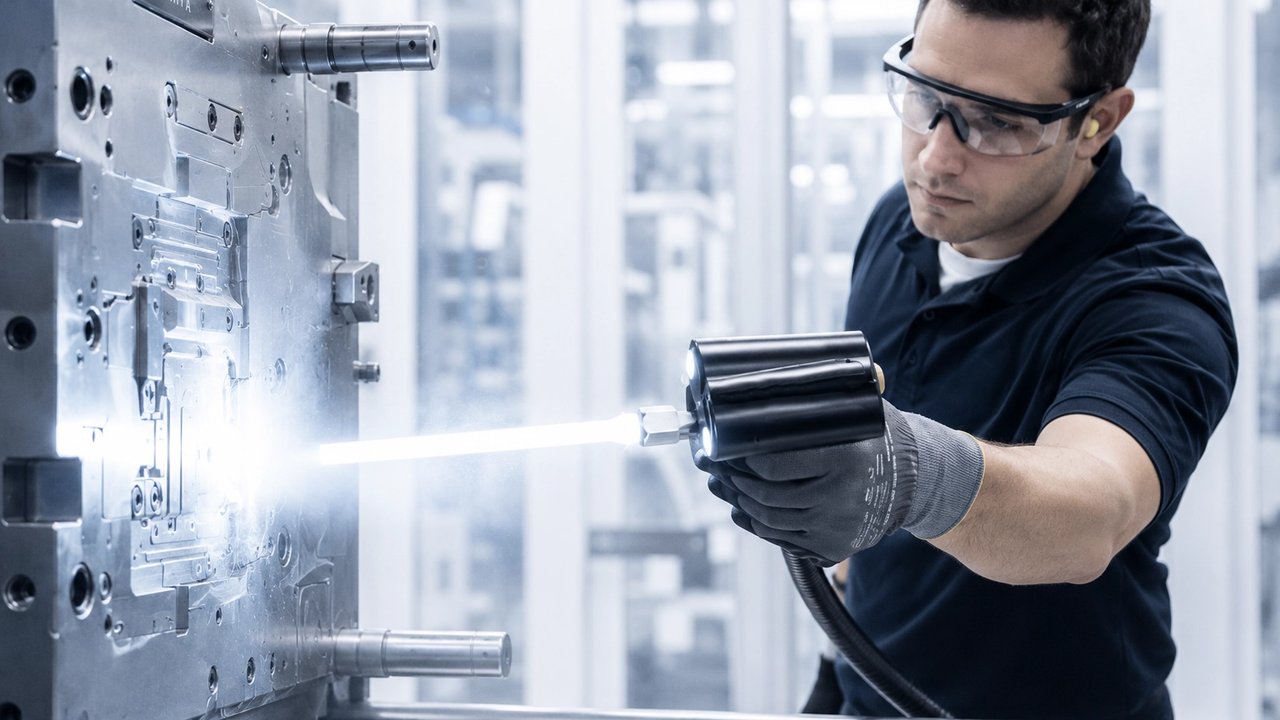
Dry ice blasting is a non-abrasive cleaning method for composite molds and tooling used in aerospace, automotive, and wind-energy manufacturing. Solid CO₂ sublimates to gas on impact, removing release agents (sacrificial, semi-permanent, and permanent), resins, epoxy, tape, silicones, oils, and carbon, graphite, and Kevlar residues from SMC and BMC molds, RTM tooling, pultrusion dies, prepregging equipment, and steel, aluminum, and Frekote-coated molds. Because it is non-abrasive, it will not etch, profile, or alter the dimensions, tolerances, or surface finish of expensive tooling—preserving precision geometries and extending tool life. Molds are cleaned hot and online without cooldown, disassembly, or reassembly, and because dry ice sublimates on contact, it leaves no blast media, chemical residue, or foreign object debris (FOD). Studies confirm the process causes no thermal stress to tooling substrates. Cold Jet has more than 24,000 machines installed globally.

Challenge
Clean Molds Without Wearing Critical Tolerances
Composite tooling is expensive and precision-critical, so residues must be removed without altering tolerances or surface finish. Traditional methods fall short: slow, labor-intensive manual processes with wire brushes, abrasive pads, and media blasting wear away tolerances and reduce the productive life of valuable tooling, while harsh chemicals add safety and disposal hazards.
Cold Jet dry ice blasting is non-abrasive and chemical-free. It removes release agents and resins without etching, profiling, or changing dimensions—preserving the shutoffs, parting lines, and geometries that define quality parts. Molds are cleaned hot and online with no thermal stress and no foreign object debris, reducing scrap, tool replacement, and downtime.
Fewer Rejections
Cleaner Molds, Better Parts
Every Substrate
Steel, Aluminum, Epoxy, Teflon-Coated
Clean More Often
Preventive, Not Reactive
No Thermal Stress
Protects Substrates
Benefits
What are the Benefits of Dry Ice Blasting in Composite Tool Cleaning?
Dry ice blasting enables composite molds to be consistently and reliably cleaned while maintaining precision tolerances
Non-abrasive dry ice cleaning preserves mold surfaces and tool integrity while removing resins, release agents, and production residues without touching precision features, shutoffs, or parting lines. Molds can be cleaned hot and in place, so no cooldown, disassembly, or reheat cycle is required. The result is better part consistency, lower scrap rates, longer tool life, and fewer tooling replacements.
 Non-Abrasive
 Tool Cleaning
Dry ice blasting preserves critical dimensional tolerances, shutoffs, and parting lines that are often worn away by traditional cleaning methods. The process does not etch, profile, or change dimensions of tool surfaces, maintaining precision geometries essential for quality part production. Complex geometries, tight corners, and intricate details are thoroughly cleaned without wear or damage. Dry ice cleaning significantly reduces tooling replacement costs and prolongs the lifespan of valuable molds.
 Faster
 and More Effective Cleaning
Dry ice blasters clean composite molds while they remain hot and online. This eliminates downtime associated with cooldown, disassembly, and reassembly processes. It eliminates time-consuming manual cleaning methods and provides a more thorough clean. Molds can also be cleaned more frequently, which significantly decreases rejection rates and increases production output.
 Versatility
Removes Resin, Release Agents, and More
Dry ice cleaning can remove a variety of contaminants from many different types of tooling substrates. The process effectively removes resin, release agents (sacrificial, semi-permanent, permanent), base coats, epoxy, Teflon tape, tacky tape, silicones, production oils, polymer residues, phenolic materials, carbon and graphite fibers, Kevlar, oxides, and other production residues.
 FOD-Free
No Debris Left Behind
Dry ice sublimates upon contact, leaving no blast media, chemical residue, or secondary waste to clean up. Cold Jet dry ice blasting ensures no foreign object debris (FOD). This eliminates additional cleaning steps, reduces contamination risks, and ensures optimal surface conditions for subsequent production cycles.
 Thermally Safe
No Risk of Thermal Stress
Studies confirm that dry ice cleaning causes no thermal stress to tooling substrates. Temperature changes occur only at the surface level, with no penetration that could cause dimensional changes or cracking. Molds operating at elevated temperatures actually clean more effectively due to enhanced thermal shock effects.
 Sustainable
Environmentally Safe Process
Dry ice cleaning uses recycled CO2 and doesn’t contribute to greenhouse gas emissions. It eliminates the need for harmful VOCs and hazardous cleaning chemicals, creating a safer work environment.
Applications
What Are the Applications of Dry Ice Blasting in Composite Parts Manufacturing?
Dry ice blast cleaning is effective across all composite manufacturing processes and can remove various contaminants while preserving tool integrity.
Validated For
- Sheet Molded Compound (SMC) compression molding
- Resin Transfer Molding (RTM)
- Bulk Molding Compound (BMC) injection molding
- Pultrusion dies
- Prepregging equipment
- Wet-layup tooling
- Steel molds
- Aluminum tooling
- Teflon-coated molds
- Hard anodized surfaces
- Epoxy and urethane tools
- Frekote coated molds
- Extrusion tooling
- Thermoform molds
- Complex geometry cleaning
Dry Ice Cleaning Safely and Quickly Cleans Composite Molds and Tooling
Dry ice blasting provides precise, controlled cleaning for intricate mold geometries and tight tolerance applications.
Aerospace and Aviation
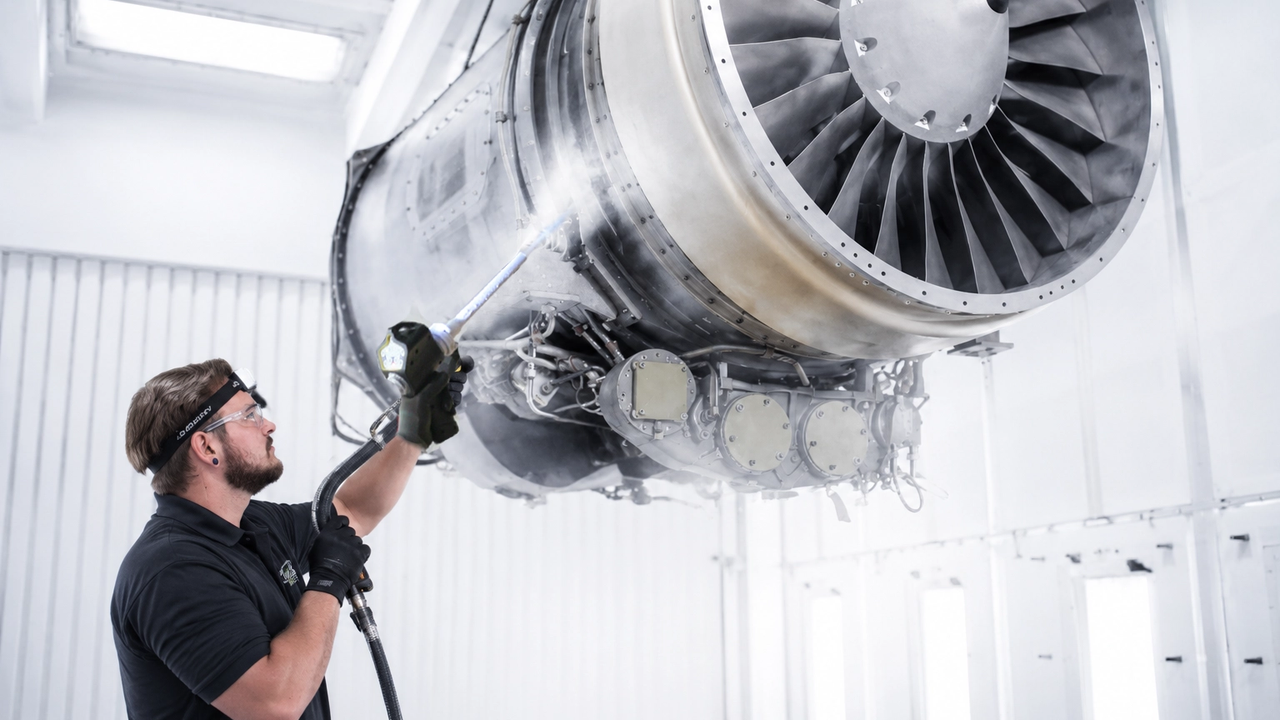
Dry ice blasting cleans composite tooling for aircraft components, engine parts, structural elements, and interior panels. The composite tool cleaning process removes release agents, prepreg residues, and production contaminants from critical aerospace molds while maintaining strict quality standards and surface specifications. Dry ice cleaning prevents foreign object debris.
Automotive
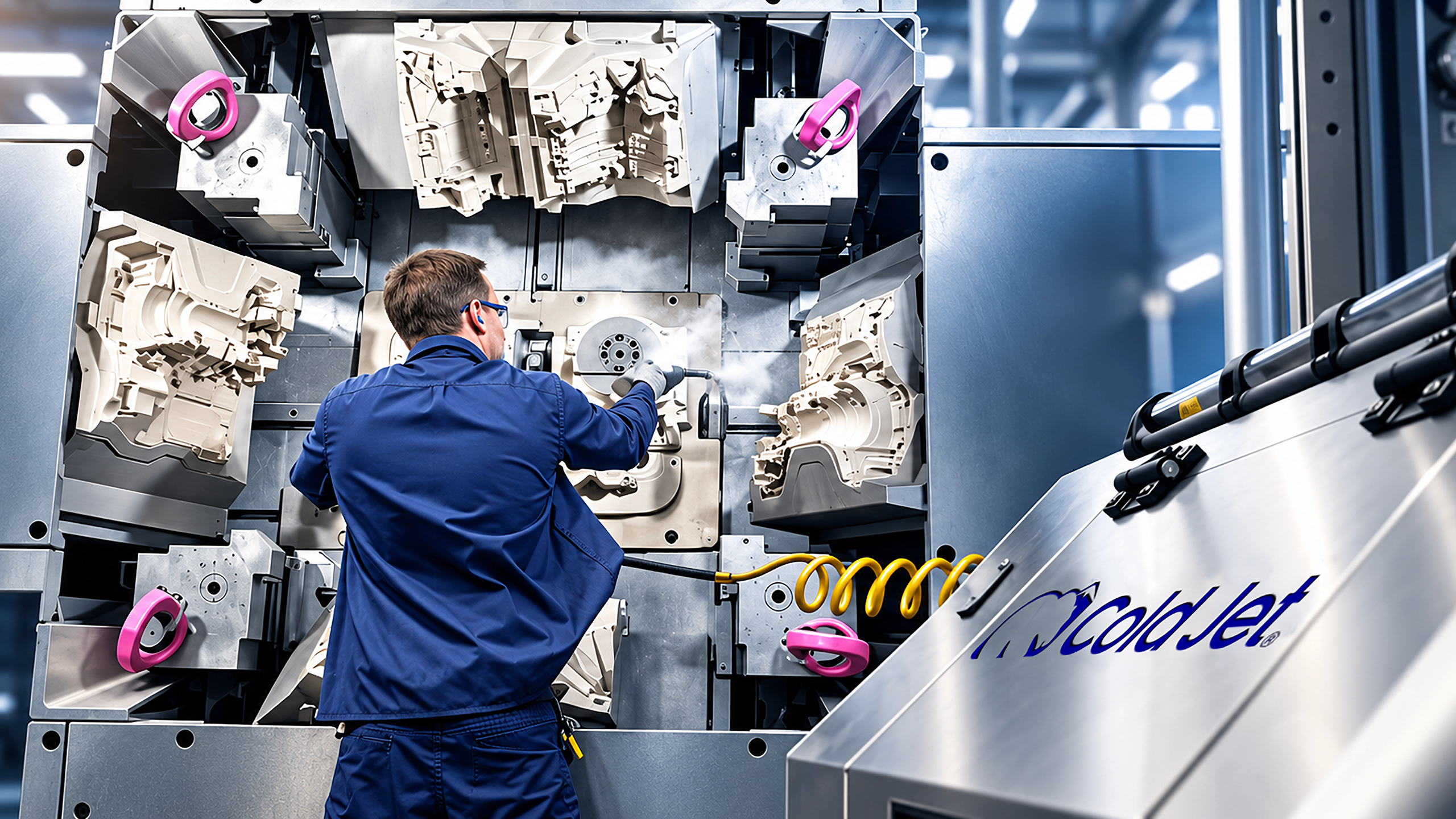
Dry ice cleaning maintains composite molds for body panels, interior components, under-hood parts, and structural reinforcements. It cleans SMC and BMC compression molds, RTM tooling, and pultrusion dies efficiently while preserving tool precision and extending service life.
Power Generation
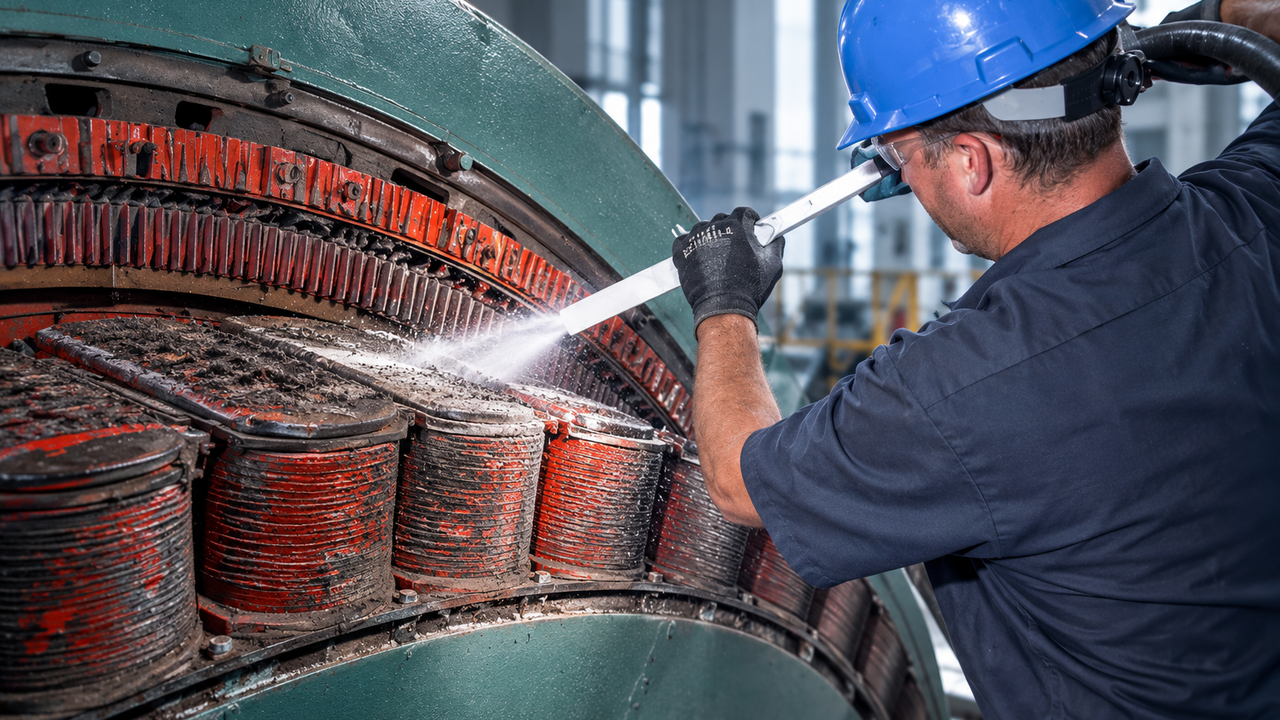
Maintain composite tooling for wind turbine blades, nacelles, and structural components with dry ice blasting. Clean blade molds and production tooling efficiently while preserving the precision required for aerodynamic performance and structural integrity.
Industries
Dry Ice Cleaning for Composite Tooling is Used in a Variety of Industries
Cold Jet offers dry ice cleaning equipment for composite molds, tooling maintenance, and precision cleaning solutions across multiple manufacturing environments.
Comparison
How Dry Ice Blasting Compares to Alternatives
See how dry ice blasting stacks up against traditional cleaning methods across the criteria that matter most in composite tool cleaning.
| Criteria | Dry Ice Blasting BEST | Chemical Cleaning | Manual Cleaning | Ultrasonic Cleaning | Laser Cleaning |
|---|---|---|---|---|---|
| Secondary Waste | None – sublimates to gas, no FOD | High – spent solvents and residue | Moderate – pads, brushes, solvent | High – contaminated chemical bath | Low – vaporized residue needs extraction |
| Speed | Fast – clean hot and online | Slow – soak, scrub, rinse | Slow – hand scrubbing is labor intensive | Slow – remove tooling, batch soak | Slow – point-by-point on surfaces |
| Equipment Damage | None – non-abrasive, preserves tolerances | Possible – residue and corrosion | High – brushes wear tolerances | Low – but size-limited by tank | Possible – heat can alter surfaces |
| Regulatory Compliance | Strong – no chemicals, no VOCs | Limited – VOC and solvent disposal | Inconsistent – solvent handling | Moderate – chemical bath disposal | Limited – VOC exposure |
| Downtime | Minimal – no cooldown or disassembly | High – soak and dry time | High – teardown and scrubbing | High – tooling offline to soak | Moderate – slow per-surface setup |
| Environmental Impact | Low – recycled CO₂, no VOCs | High – hazardous chemical disposal | Moderate – solvent and pad waste | Moderate – chemical bath disposal | Moderate – generates VOC & energy intensive |
What You Need
What Do Composite Part Manufacturers Need for Dry Ice Cleaning?
When implementing dry ice cleaning in your facility, the following components are essential for an effective setup:
Step 01
Dry Ice Blaster
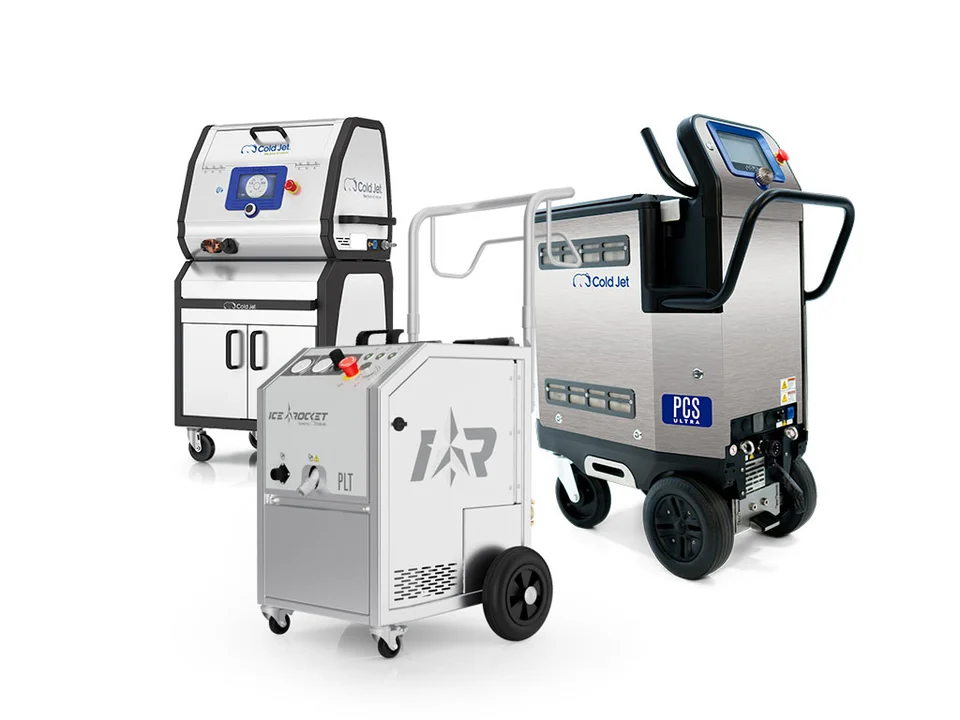
A successful composite tool cleaning program begins with selecting the right dry ice blasting equipment for your specific needs. Cold Jet’s comprehensive machine lineup includes advanced models featuring our patented Particle Control System (PCS®), which allows precise adjustment of cleaning intensity to match your exact composite tooling requirements.
- 01. Dry Ice Blaster — A successful composite tool cleaning program begins with selecting the right dry ice blasting equipment for your specific needs. Cold Jet’s comprehensive machine lineup includes advanced models featuring our patented Particle Control System (PCS®), which allows precise adjustment of cleaning intensity to match your exact composite tooling requirements.
- 02. Compressed Air — Dry ice blasting equipment integrates seamlessly with your current compressed air supply. Cold Jet dry ice blasters typically need 100 cfm (2.8 m³/min) at 80 psi (5.5 bar) to operate effectively.
- 03. Dry Ice Supply — We provide guidance in selecting reliable dry ice suppliers and determining the appropriate amount you will need to order based on your needs. Once identified, you can establish a delivery schedule that aligns with your production and preventative maintenance plans.
- 04. Operator and Machine Training — Comprehensive training is provided on safe and effective operation, including proper techniques and safety protocols. Cold Jet offers a training course that teaches your team how to use the machine safely and correctly.
- 05. Personal Protective Equipment (PPE) — Composite tool cleaning staff should wear proper safety gear, including gloves, hearing protection, and eye protection.
Equipment
What Is the Best Dry Ice Blasting Machine for Composite Parts Manufacturing?
Cold Jet offers a comprehensive range of dry ice blasting machines for composite parts manufacturing environments. Our user-friendly machines are ideal for composite tool cleaning and maintenance applications.
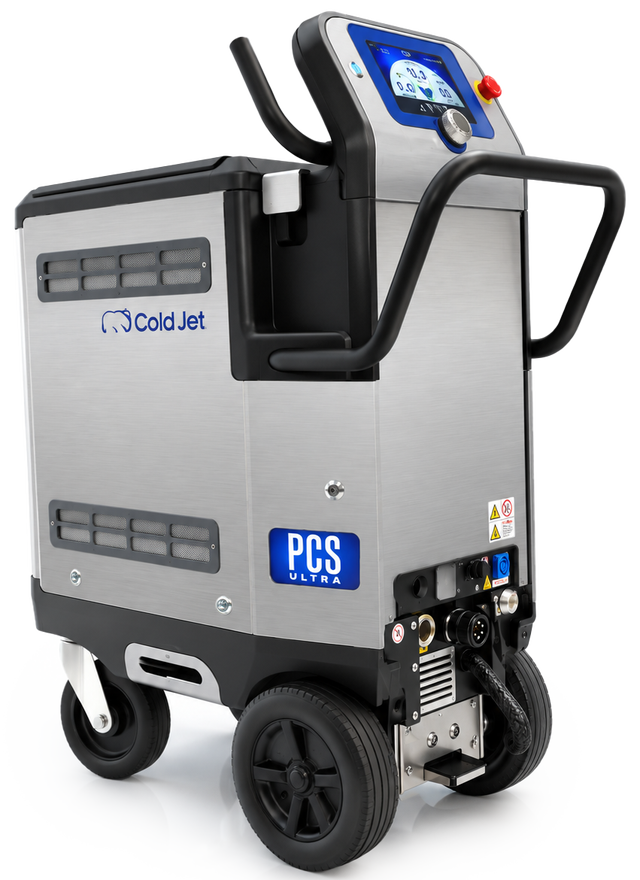
Aero2® PCS® ULTRA
The Aero2 PCS ULTRA is a versatile machine for a variety of composite cleaning applications, from extremely gentle cleaning with MicroParticle dry ice to aggressive removal of heavy contamination with 3mm dry ice pellets. The Particle Control System provides precise parameter control for optimal results.
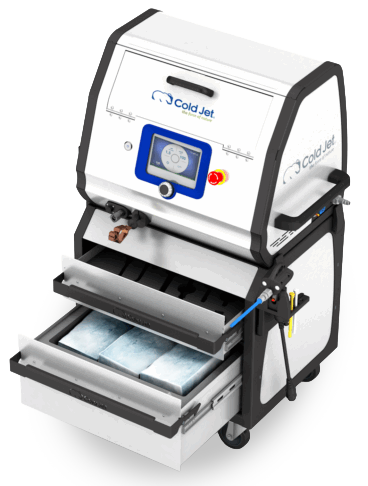
i3 MicroClean® 2
The i3 MicroClean 2 is the next generation of precision cleaning. It offers improved efficiency and intuitive controls in a lightweight and compact system. Easily control cleaning parameters to optimize performance for your specific composite tooling applications.
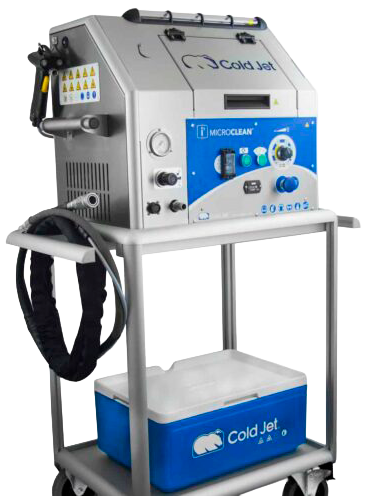
i3 MicroClean®
The i3 MicroClean is an efficient, lightweight machine that is highly effective for composite mold cleaning and maintenance applications. Its compact design makes it ideal for integration into existing production environments.
Machine comparison
Compare Dry Ice Blasters for Composite Tool Cleaning
See how each Cold Jet blaster stacks up, so you can match particle control and cleaning intensity to release agents and resin on composite molds and layup tools.
| Specifications | Aero2® PCS® ULTRA | i3 MicroClean® 2 | i3 MicroClean® |
|---|---|---|---|
| Particle Control | Variable(0.3mm to 3.0mm, 28 sizes) | Microparticles(Shaved) | Microparticles(Shaved) |
| Controls | Digital(7" LCD, Recipes, IoT) | Digital(7" LCD, Recipes, IoT) | Analog / Standard |
| Feeder Technology | Two-Stage + Defrost Cycle | Radial Feeder | Radial Feeder |
| Application Intensity | Versatile(Precision to Aggressive) | Delicate / Precision | Delicate / Precision |
| Automation & Integration Capable | Yes | Yes | No |
| Hopper Capacity | 60 lbs(27 kg) | 25 lbs(11 kg) | 20 lbs(9 kg) |
Why Cold Jet
Why Invest in Cold Jet Machines for Composite Tool Cleaning?
If you are upgrading your composite tool maintenance process, investing in a Cold Jet dry ice blaster enhances your operation’s efficiency, extends tool service life, and improves part quality. When evaluating this capital investment, consider both the return on investment (ROI) and operational benefits. Cold Jet machines deliver faster ROI and greater value.
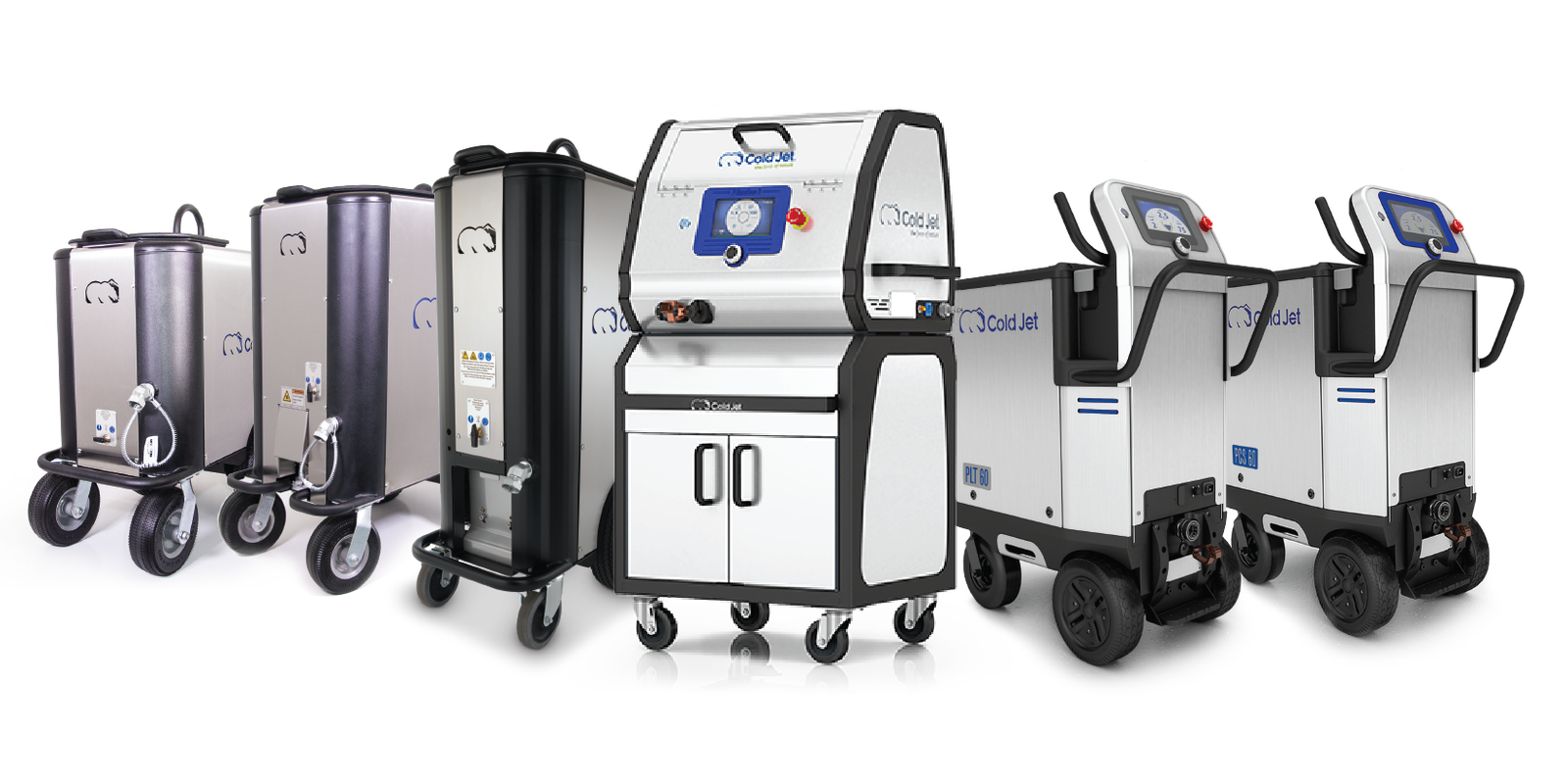
Proven Composite Tool Cleaning Solution
Decades of field-tested performance in various industries demonstrate Cold Jet’s ability to provide superior results for cleaning composite molds and tooling.
Trusted Tool Cleaning Partner
With more than 24,000 machines installed globally, we’ve established ourselves as the trusted solution for tooling maintenance in composite parts manufacturing.
Superior Reliability
Cold Jet equipment is engineered for demanding industrial environments, delivering years of dependable operation that keeps your composite tool cleaning process running smoothly with minimal downtime. Cold Jet dry ice blasters have significantly longer machine life than competitors, ensuring consistent performance over time.
Comprehensive Support and Training
Our regional technicians understand the unique requirements of composite manufacturing environments and are always accessible. We deliver both maintenance services and comprehensive equipment operation training. If unexpected problems occur, our team responds quickly to reduce operational disruption.
Lower Operating Costs
Cold Jet machines consume substantially less dry ice, compressed air, and power compared to competing equipment, lowering your daily operating costs without compromising cleaning performance or safety standards.
Application Specific Accessories
Our comprehensive accessory lineup, featuring specialized applicators, blast hoses, and specialized nozzles, enables you to tailor performance to your unique composite tool cleaning needs.
Our Customers
Composite parts manufacturers around the world rely on Cold Jet
With a global install base of 24,000+ machines serving companies large and small, Cold Jet delivers real value to composite parts manufacturers worldwide.





Compliance
Supporting Quality, Safety & Sustainability
Dry ice blasting helps composite manufacturers meet part-quality, worker-safety, and environmental goals without abrasives or chemicals.
Zero FOD
Part Quality & FOD Prevention
Blast media and chemical residues left on tooling create foreign object debris (FOD) and contamination that compromise composite part quality.
How We Comply
Dry ice sublimates on contact, leaving no media, residue, or FOD—ensuring optimal surface conditions and consistent, aerospace-grade part quality.
VOC-Free
Worker Safety & Air Quality
Harsh chemical cleaners and solvents expose workers to hazardous substances and release VOCs into the work environment.
How We Comply
Dry ice cleaning eliminates hazardous chemicals and VOCs, creating a safer work environment with a non-toxic, recycled-CO₂ process.
Preserves Tolerances
Tool Integrity
Abrasive cleaning etches and profiles mold surfaces, wearing the tight tolerances and parting lines that expensive composite tooling depends on.
How We Comply
The non-abrasive process cleans without altering dimensions or surface finish, preserving tool integrity and extending the service life of costly molds.