
Due to the fact the dry ice is recycled CO₂, it will not contribute to your greenhouse gas score. In the calculation of a carbon footprint, CO₂ is accounted for at the producer level. It is not counted a second time at the point of use.
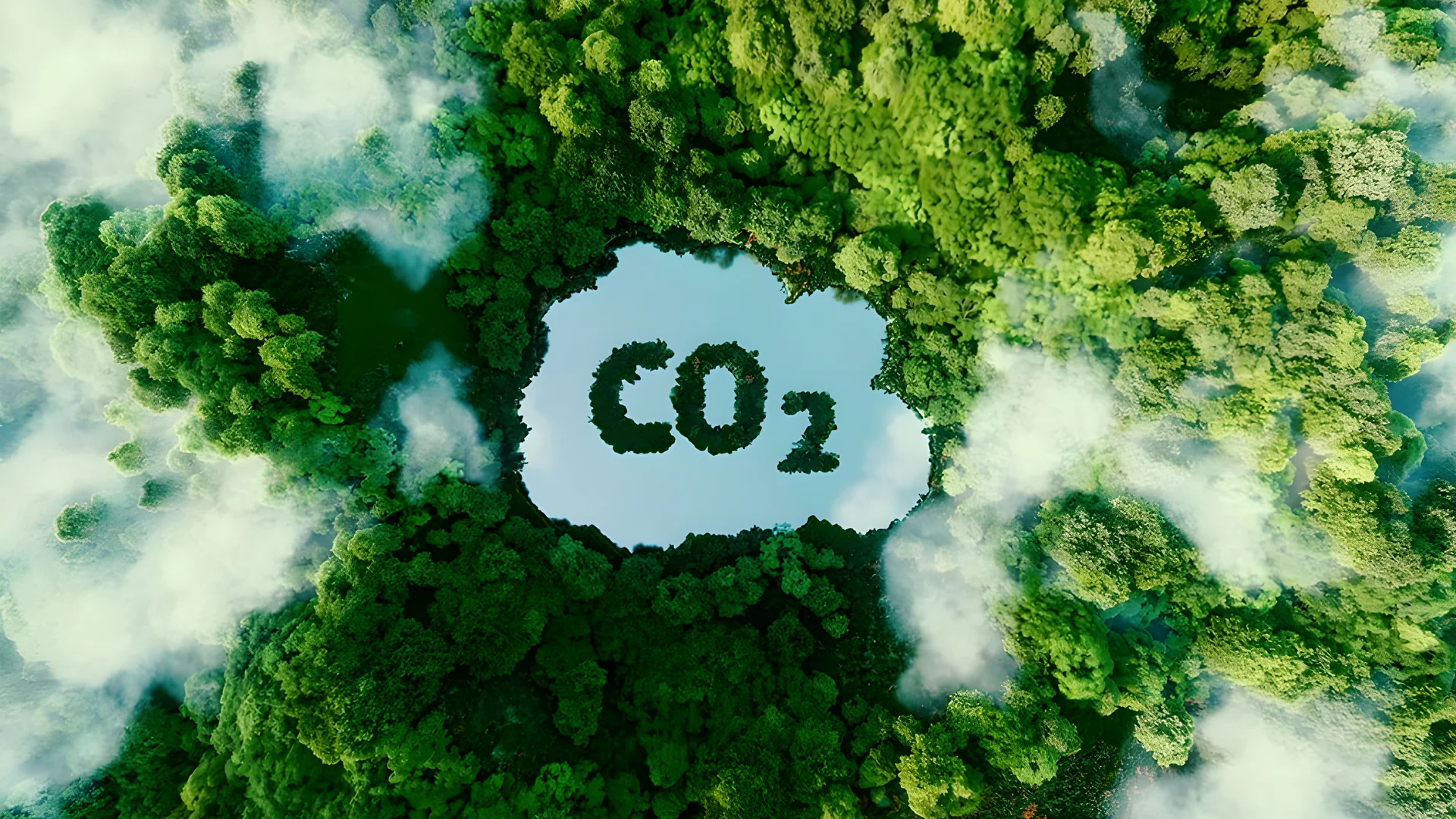
From keeping temperature-sensitive products cold to removing stubborn contaminants from industrial equipment, dry ice is the most sustainable solution on the market. Since 1988, Cold Jet has built its solutions around recycled CO₂ — captured at industrial and biogas facilities that would otherwise release it as waste. Because that CO₂ was already accounted for at the point of production, using it as dry ice does not add to your carbon footprint calculation.
0
Recycling since
0%
Recycled CO2
Zero
Secondary waste
0.000%
Global CO2 share

The CO₂ in dry ice is recycled. It was generated by an industrial or biological process elsewhere, accounted for in that facility's emissions at the point of production, and would have been released into the atmosphere whether or not it was captured. Carbon capture and utilization (CCU) captures that CO₂ before it reaches the atmosphere and converts it into dry ice. Using it to clean a mold or keep a vaccine at temperature does not create a second emission, because the CO₂ was already accounted for when it was produced. That is why dry ice does not add a new line to a Scope 1 or Scope 2 inventory, and why replacing a solvent wash or a refrigerated truck with dry ice registers as an emissions reduction, not a trade-off.
0 million Mt
Commercial CO₂ used per year
~0 Gt
Global CO₂ emissions per year
0.000%
Global CO2 share
Scope 1–3
No new inventory line added
As the CO₂ market evolves, new sources of CO₂ continue to be developed. In recent years, biogas sites have begun to emerge as a source, including anaerobic digesters on farms, food waste facilities, landfills and water resource recovery facilities. CO₂ from these sources is derived from the breakdown of organic waste within the Earth’s natural carbon cycle, which makes it carbon neutral. Cold Jet is committed to growing the carbon-neutral dry ice market.
Request a demoEvery conventional cleaning and cooling method carries hidden environmental costs — water consumption, chemical handling, secondary waste, added fuel burn and emissions. Dry ice replaces those methods and eliminates the environmental costs that come with them.
Dry ice is a water-free, waste-free, and chemical-free solution that is helping organizations improve their Environmental, Social, and Governance (ESG) scores, while replacing environmentally damaging cleaning and cooling methods.
The benefits span the full operation: less water drawn and treated, no solvents to handle or report, no secondary waste to landfill, machinery running at peak energy efficiency, and a cold chain that eliminates refrigerated transport and gel packs.
 Water
Dry ice blasting is a completely dry process. Nothing is rinsed, so there's no wastewater to contain, treat, or discharge — and no drying time before the line restarts.
 Chemicals
Dry ice blasting cleans without chemicals, solvents, or detergents. Recycled CO₂ is the only consumable. And when chemical cleaning is replaced, everything attached to it goes too: handling, storage, disposal, permitting, and reporting.
 Waste
The media disappears. Dry ice sublimates from solid to gas on impact, so the only thing left to collect is the contaminant that was removed.
 Energy
Dirty equipment wastes energy. Because dry ice blasting requires no cool-down, disassembly, or dry-off, cleaning happens in place and in production — frequently enough to keep equipment running at peak efficiency.
 Cold Chain
Dry ice replaces the refrigeration unit in transport. It holds temperature inside the package itself, so a standard vehicle can carry a cold load and the reefer unit and its fuel burn come off the route.
 Cold Chain
Gel packs are resource-intensive to manufacture, ship cold, and dispose of. Dry ice replaces them with a medium that is already a waste product and leaves nothing behind.
The claim that dry ice adds no new emissions is confirmed by regulators, including the California Air Resources Board and the EPA. The world's leading manufacturers put it into practice every day, using dry ice to meet sustainability goals.










In their words
Due to the fact the dry ice is recycled CO₂, it will not contribute to your greenhouse gas score. In the calculation of a carbon footprint, CO₂ is accounted for at the producer level. It is not counted a second time at the point of use.

Under the current Greenhouse Gas Reporting Program (GHGRP), dry ice blasting is not required to report.
Eight documented projects where dry ice blasting delivered measurable water, waste, chemical, or emissions reductions. Select any case study to see the full results.
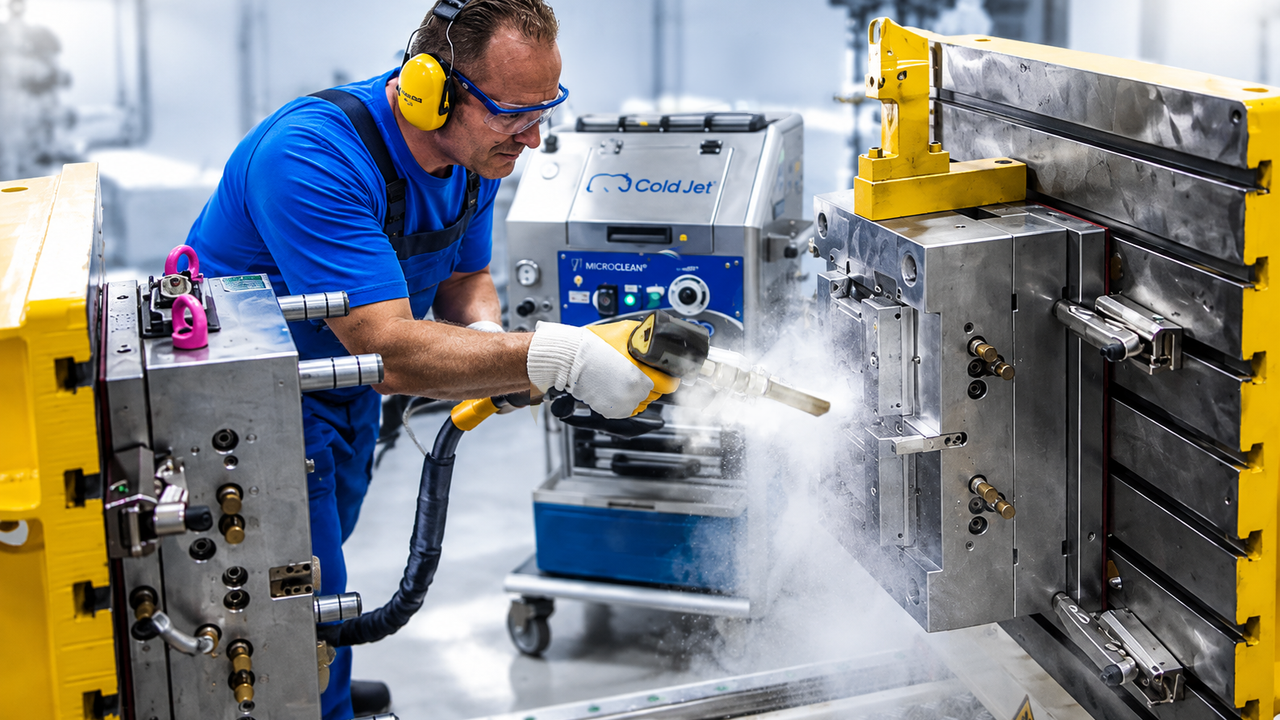
Environmentally sustainable cleaning of plastic molds for the manufacture of sanitary products
Learn More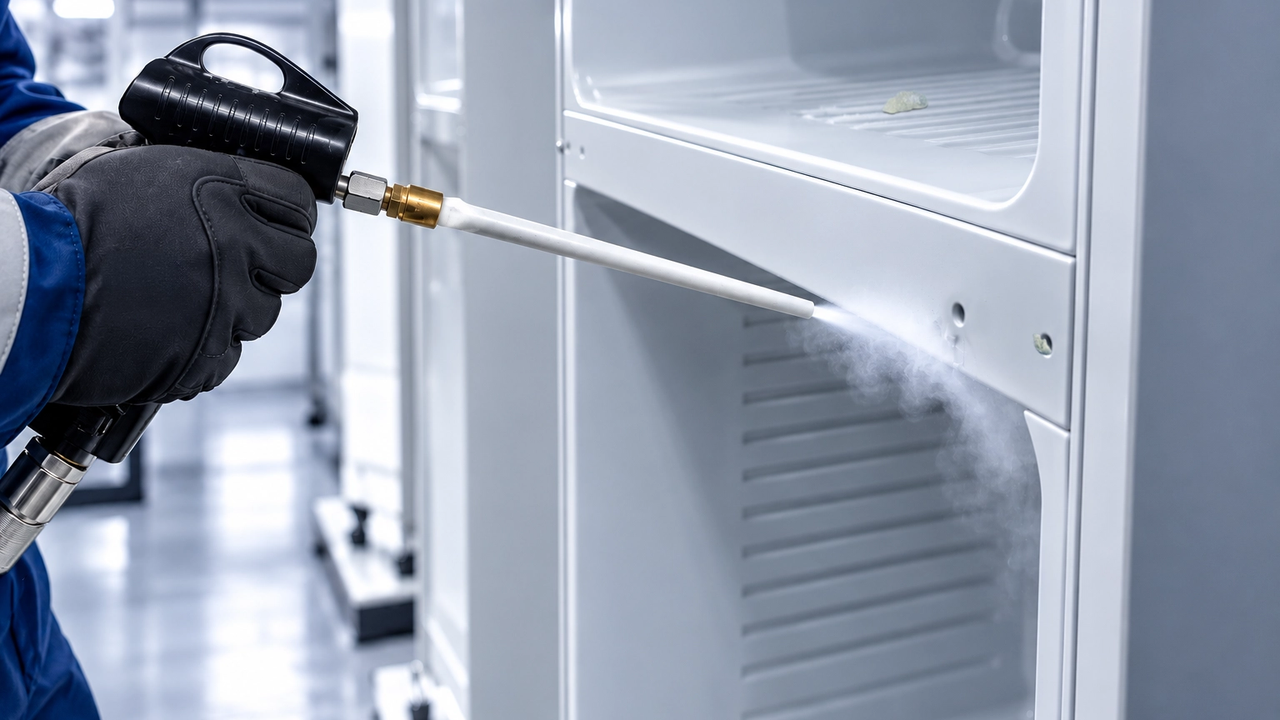
Electrolux Improves Sustainability Goals While Cutting Costs and Scrap
Learn More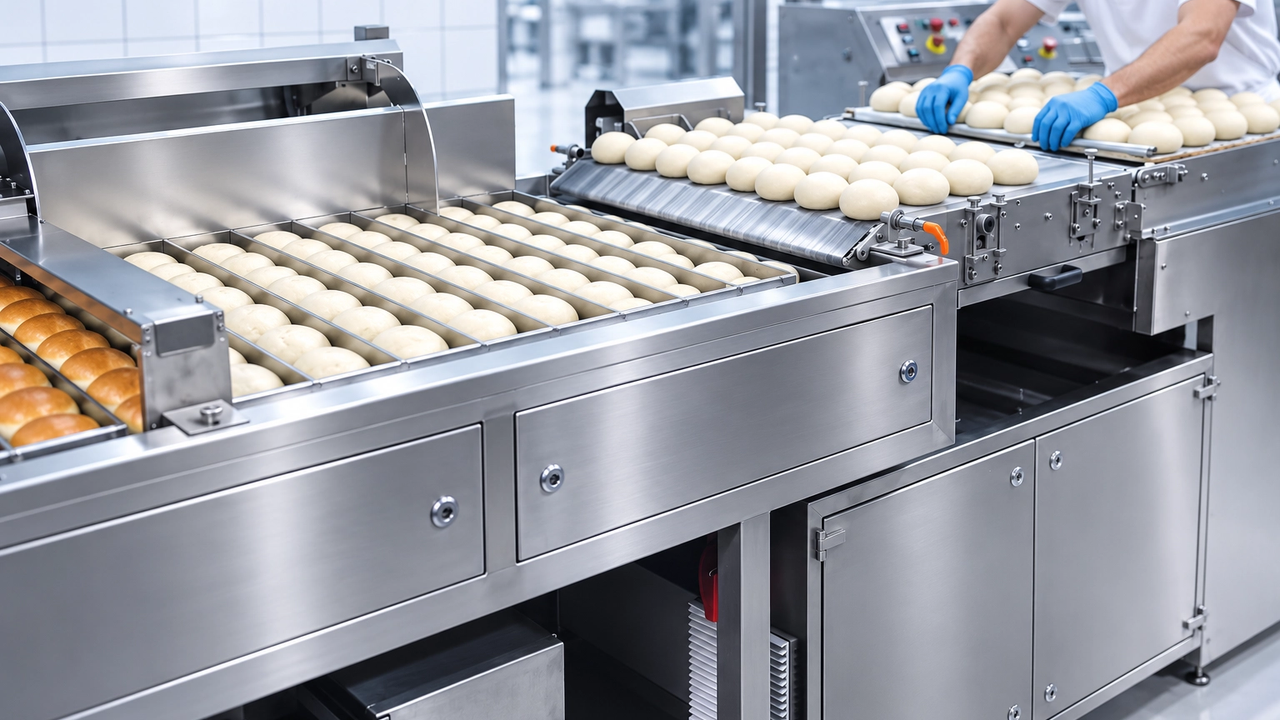
General Mills Reduces Water and Downtime, Boosts Productivity by 80%
Learn More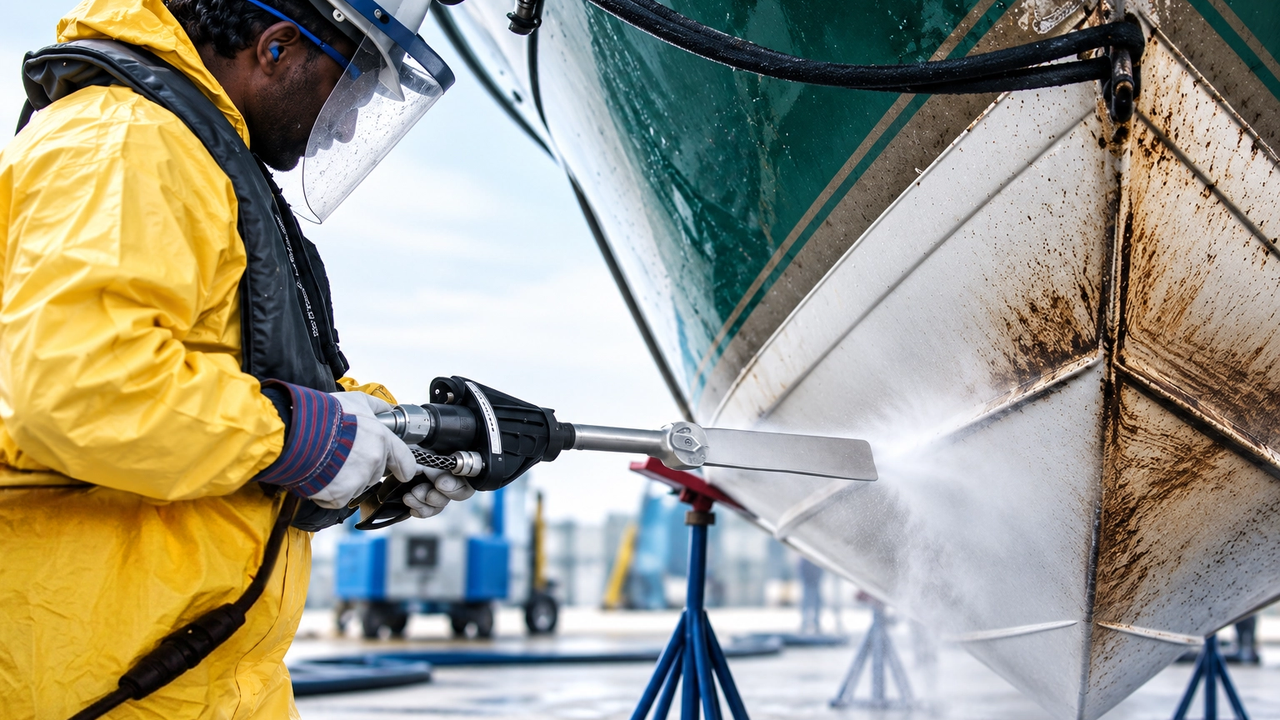
Contractor Cleans Over 1,000 Vessels After Deepwater Horizon Oil Spill
Learn More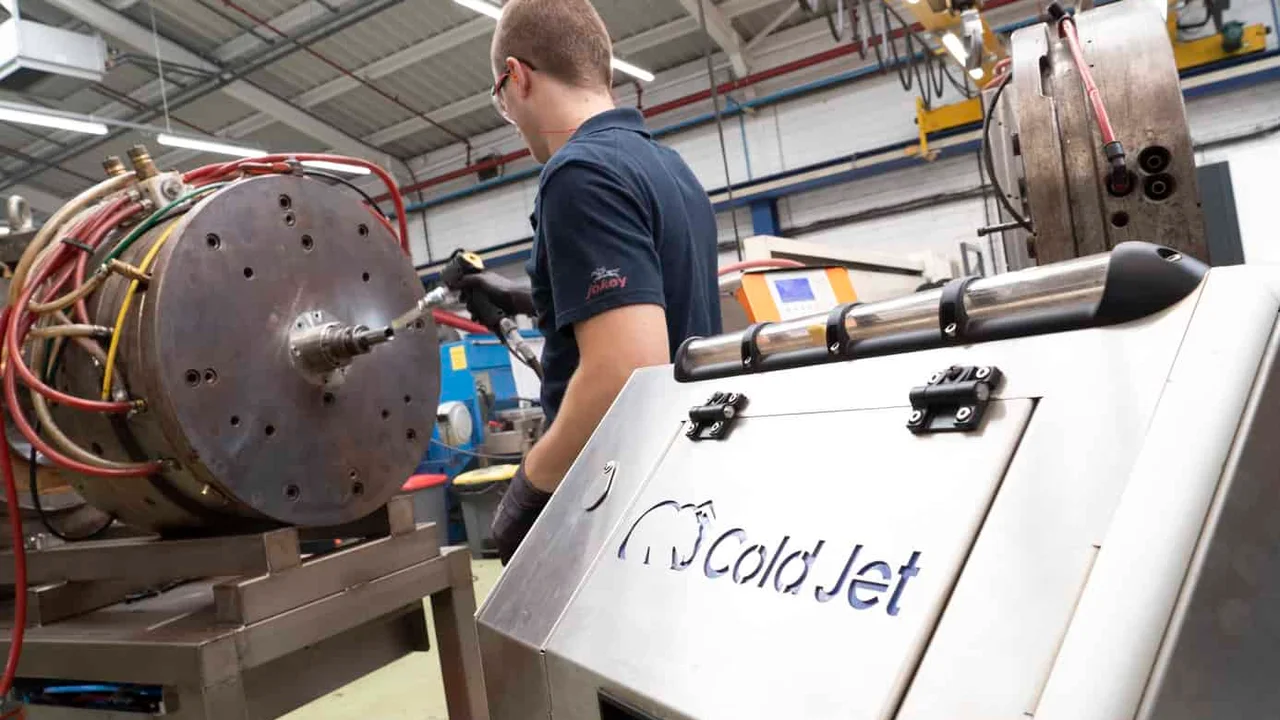
Packaging Manufacturer Cuts Cleaning Time by 50% with Dry Ice Blasting
Learn More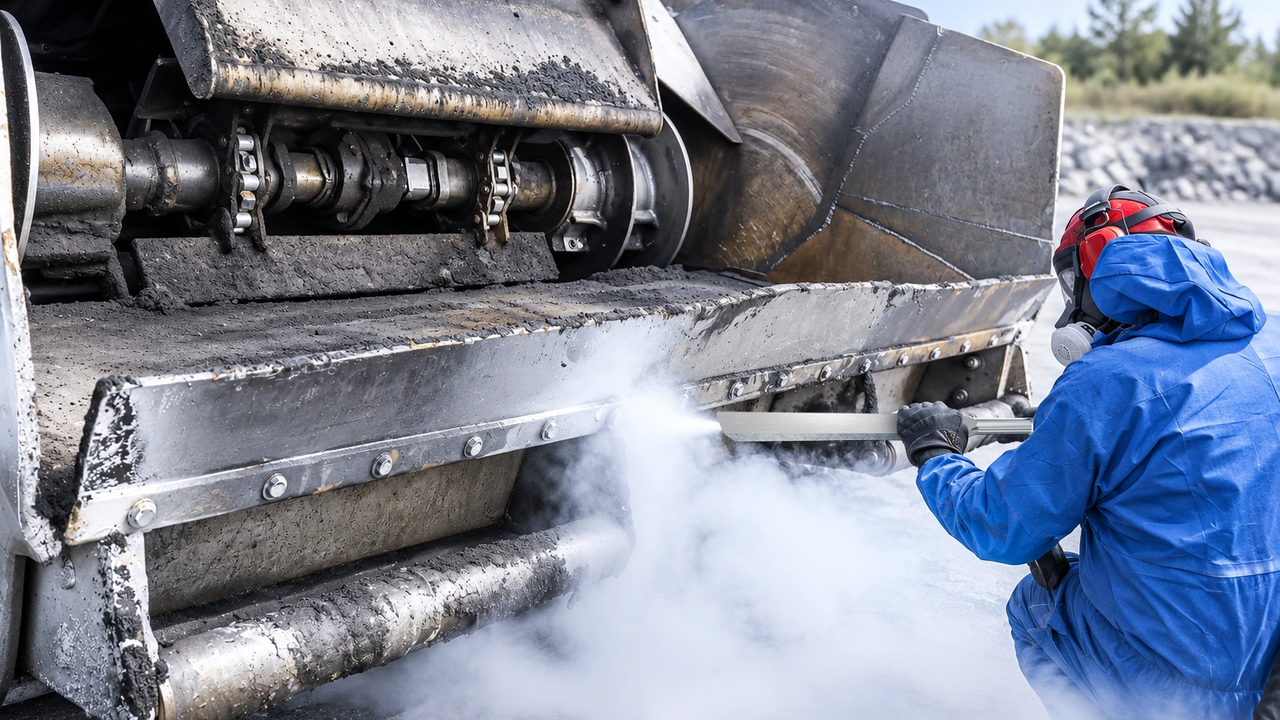
Contractor safely removes asphalt from construction vehicles without water or chemicals
Learn More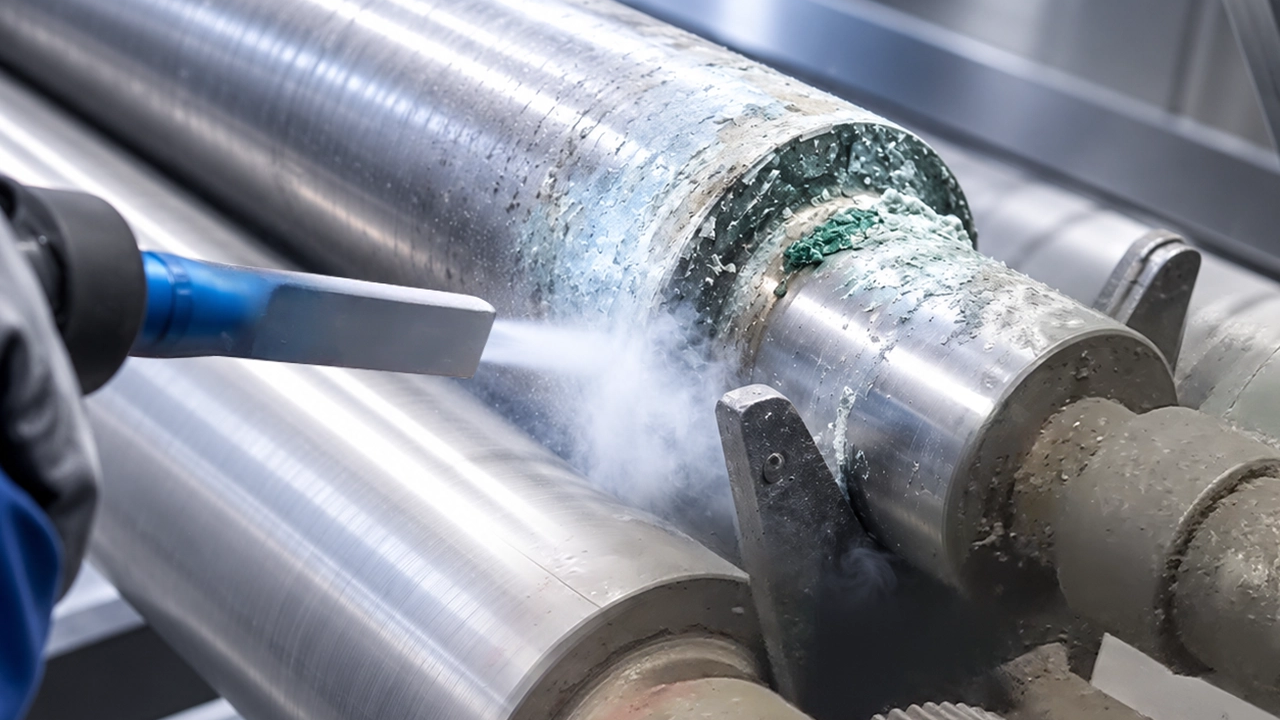
Dry Ice Blasting Cleans Printer Without Chemicals For Better Quality
Learn More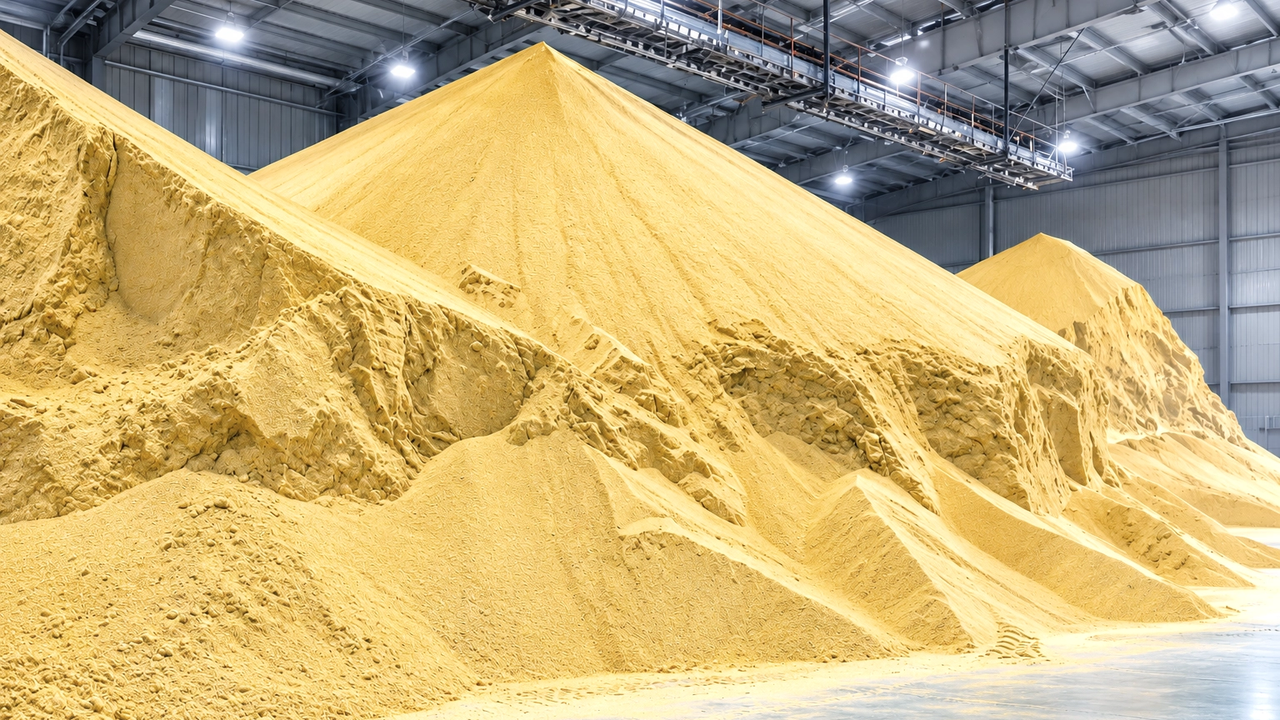
In ethanol facility dry ice cleaning removes corn dust from economizers without the complications of water
Learn MoreEnvironmentally Sustainable Solutions Since 1988
Cold Jet's sustainable solutions turn waste CO₂ into a commercially useful product: dry ice. Through a carbon capture and utilization (CCU) process, CO₂ that would have been discarded at industrial and biogas facilities is captured, recycled, and converted into dry ice — given a second life as a cooling and cleaning medium.
Second Life CO2
01Stage 1 of 5
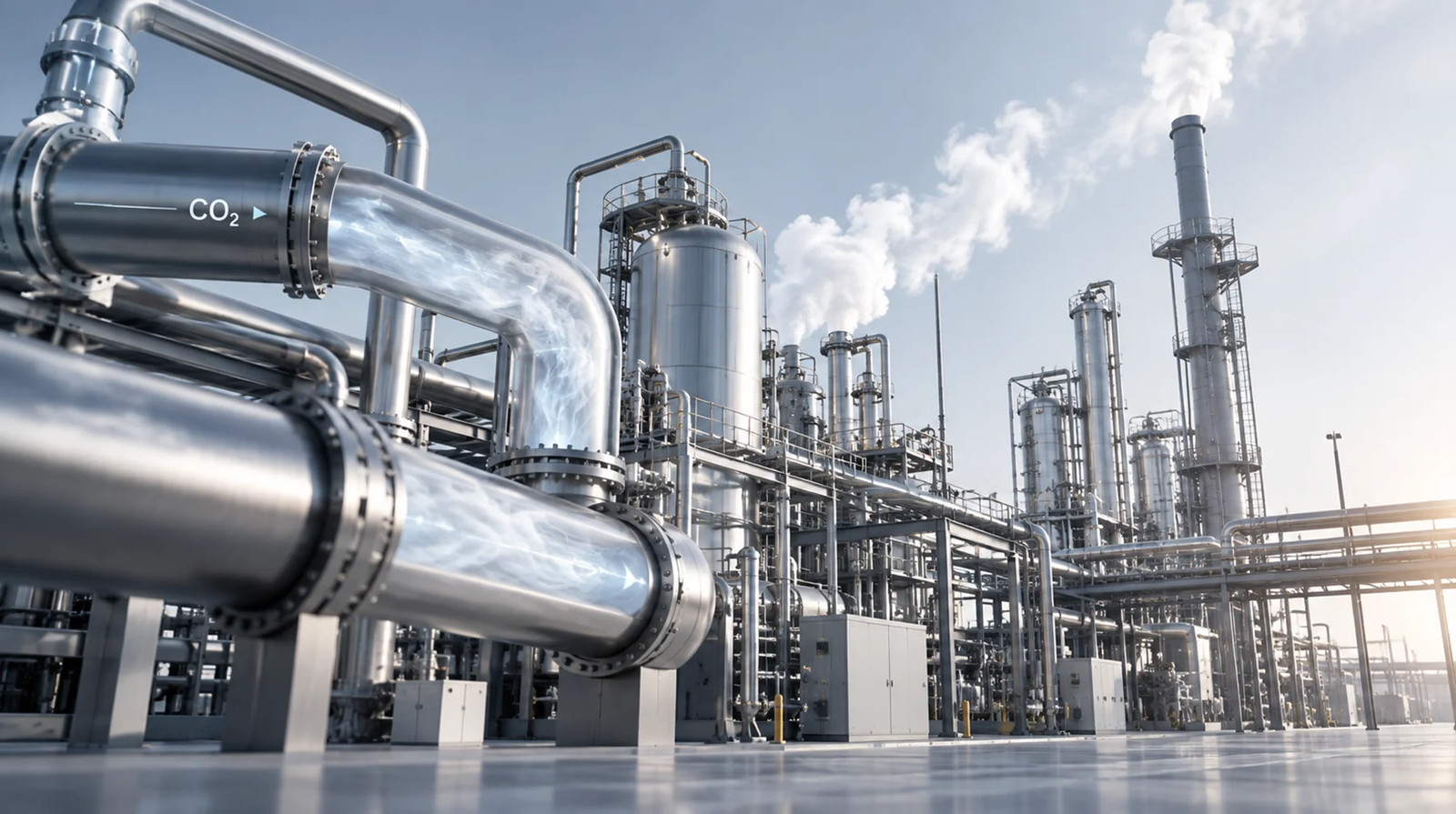
Reclaimed CO₂ is recovered from industrial byproduct streams — fertilizer, refineries, biogas.
Second Life CO2


How the CO2 actually reaches you: captured at the source, liquefied, stored, transported, then converted to solid dry ice at your facility or delivered to you. See how dry ice blasting compares to other cleaning methods.
From the beginning, our focus has been on developing environmentally sustainable solutions. Upon our founding, Cold Jet’s mission was to replace the toxic chemicals used to remove coatings from aircraft — and we now provide sustainable solutions across a wide range of industries.
In addition to providing the global marketplace with sustainable solutions, we are committed to improving our environmental performance and leaving behind a sustainable legacy. We hold ourselves to the same standard — operating sustainably across our own facilities and practices worldwide. We believe that this is a central part of being a responsible and successful company, and that it will help us to protect the environment for future generations.
We are committed to reducing materials, waste, and emissions from our business and equipment, from production to operation.

Built sustainable from day one
Upon our founding, Cold Jet’s singular mission was to replace the use of toxic chemicals in aircraft coatings removal. In the proceeding years, the operational, environmental, and societal value of dry ice solutions became clear across all industries.
Cut our own materials, waste and emissions
Cold Jet works to reduce the environmental footprint of our own operations, continually improving efficiency across our manufacturing sites in the US, Denmark, and Poland. The commitment covers the machine as well as the method, from the materials that go into building a unit to how much dry ice and compressed air it consumes over its service life.
Grow the carbon-neutral dry ice supply
New CO₂ sources are emerging at biogas sites, including anaerobic digesters on farms, food-waste facilities, landfills, and water resource recovery plants. Because this CO₂ is biogenic, derived from the Earth's natural carbon cycle, the dry ice produced from it is carbon neutral. Cold Jet is committed to growing the market for carbon-neutral dry ice.
Definitions for the terms this page relies on, each anchored to its canonical reference so the meaning is not left to inference.
Second life
Waste stream becomes feedstock
The process of capturing waste CO₂ from an industrial or biological source and converting it into a commercially useful product instead of venting it. Cold Jet's supply chain is a CCU application: CO₂ recovered at industrial and biogas facilities is liquefied, then made into dry ice for cleaning and cooling. CCU differs from carbon capture and storage in that the CO₂ is used before it disperses rather than being sequestered permanently.
Net zero
Biogenic carbon cycle
Dry ice made from biogenic CO₂ — carbon dioxide released by the breakdown of organic matter at anaerobic digesters, food-waste facilities, landfills, and water resource recovery plants. That CO2 was drawn from the atmosphere by living matter within the natural carbon cycle, so returning it is net neutral rather than a net addition. It is the fastest-growing source of new CO₂ supply for the dry ice market.
Biogas CO₂
Emerging supply source
The breakdown of organic material by microorganisms in the absence of oxygen, producing biogas — largely methane and carbon dioxide. Upgrading that biogas to pipeline-quality methane separates out a stream of biogenic CO₂, which is the feedstock behind carbon-neutral dry ice. Farms, food-processing sites, and municipal water treatment plants are the common hosts.
Solid → gas
No liquid phase, no residue
The phase transition of a substance directly from solid to gas, bypassing the liquid state. Dry ice sublimates on impact, expanding roughly 800 times in volume as it converts to CO₂ gas. This is why dry ice blasting produces no secondary waste: the blast media simply disappears, leaving behind only the contaminant that was removed, with no spent grit, sludge, or rinse water to dispose of.
Zero
Media leaves as gas
Waste created by the cleaning process itself, as distinct from the contaminant being removed. Spent blast media, wastewater, sludge, used solvents, and single-use rags are all secondary waste, and each must be characterized, contained, and disposed of according to its own regulatory requirements. Dry ice blasting produces no secondary waste, because the blast media sublimates and leaves as a gas.
No new line
In the emissions inventory
The GHG Protocol's three categories of corporate emissions: Scope 1 covers direct emissions from sources a company owns or controls, Scope 2 covers emissions from purchased energy, and Scope 3 covers indirect emissions across the value chain. Dry ice made from recycled CO₂ adds no new line to a Scope 1 or Scope 2 inventory, and substituting it for chemical solvent cleaning or refrigerated transport reduces emissions that were already being reported.
Three axes
Environmental, social, governance
The framework investors, customers, and regulators use to assess a company's non-financial performance. Cleaning and cooling decisions touch all three pillars: water withdrawal and waste generation are environmental factors, operator chemical exposure is a social factor, and permitting, manifesting, and disclosure obligations fall under governance. Removing water, chemicals, and secondary waste from a process improves a company's reported performance on each.
Cold Jet application experts will assess your current cleaning or cooling process and everything it costs you in water, chemicals, waste, and downtime. Then we'll show you how dry ice solves those problems sustainably, before you commit to anything.


